Rural energy systems are the lifeline of countryside communities, requiring careful planning and consistent upkeep to ensure uninterrupted power supply and long-term sustainability.
🌾 Understanding Rural Energy Landscape and Its Unique Challenges
The countryside presents distinctive obstacles when it comes to energy distribution and maintenance. Unlike urban centers with dense infrastructure and readily available technical support, rural areas often struggle with geographic isolation, limited access to specialized technicians, and exposure to harsh environmental conditions that can accelerate equipment deterioration.
Remote locations mean that even minor equipment failures can result in extended outages, affecting not only household comfort but also critical operations like agricultural production, livestock care, and water pumping systems. Understanding these challenges is the first step toward implementing effective maintenance strategies that keep rural energy systems running reliably.
Weather patterns in rural settings can be extreme, from scorching summers that strain cooling systems to freezing winters that threaten battery performance and fuel lines. Dust, humidity, wildlife interference, and vegetation growth all contribute to accelerated wear on electrical components and generation equipment.
⚡ Core Components of Rural Energy Systems Worth Monitoring
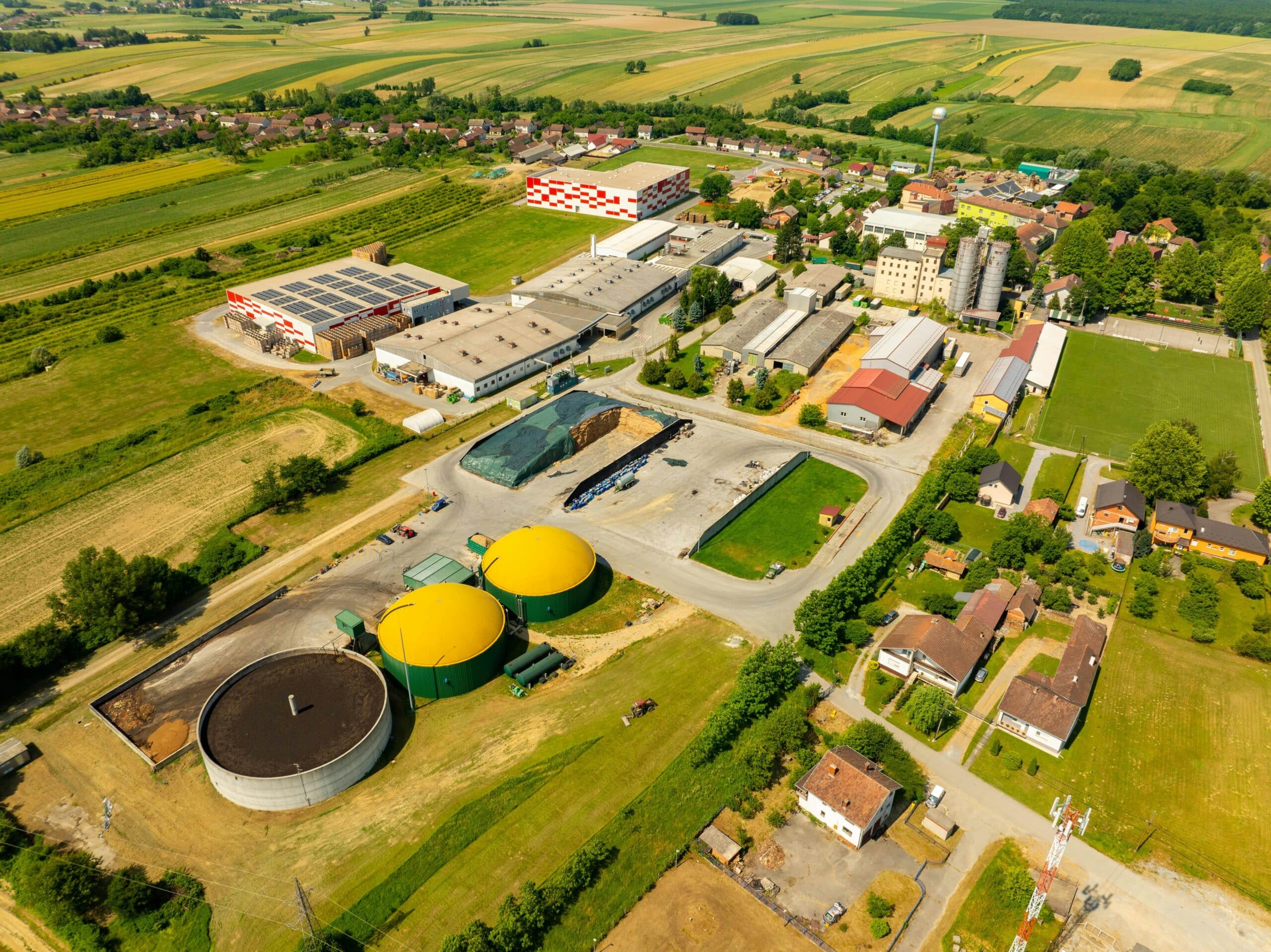
Most countryside energy solutions combine multiple power sources to ensure reliability. Solar panels, wind turbines, diesel generators, and battery storage systems typically work in tandem to provide consistent electricity. Each component requires specific maintenance protocols tailored to its technology and operating environment.
Solar Power Infrastructure Maintenance
Photovoltaic panels are increasingly popular in rural electrification projects due to decreasing costs and minimal moving parts. However, they still demand regular attention to maintain optimal efficiency. Dust accumulation, bird droppings, and pollen can reduce output by 20-30% if left unaddressed.
Panel cleaning should occur at least quarterly in most rural environments, though dustier locations may require monthly attention. Early morning or late evening cleaning prevents thermal shock from cold water hitting hot panels. Use soft brushes or squeegees with deionized water when possible to avoid mineral deposits.
Inspect mounting hardware biannually for rust, loose bolts, and structural integrity. Wind damage can gradually loosen connections, creating safety hazards and reducing system performance. Check wiring conduits for rodent damage, as mice and squirrels often chew through insulation seeking shelter.
Wind Turbine Care Essentials
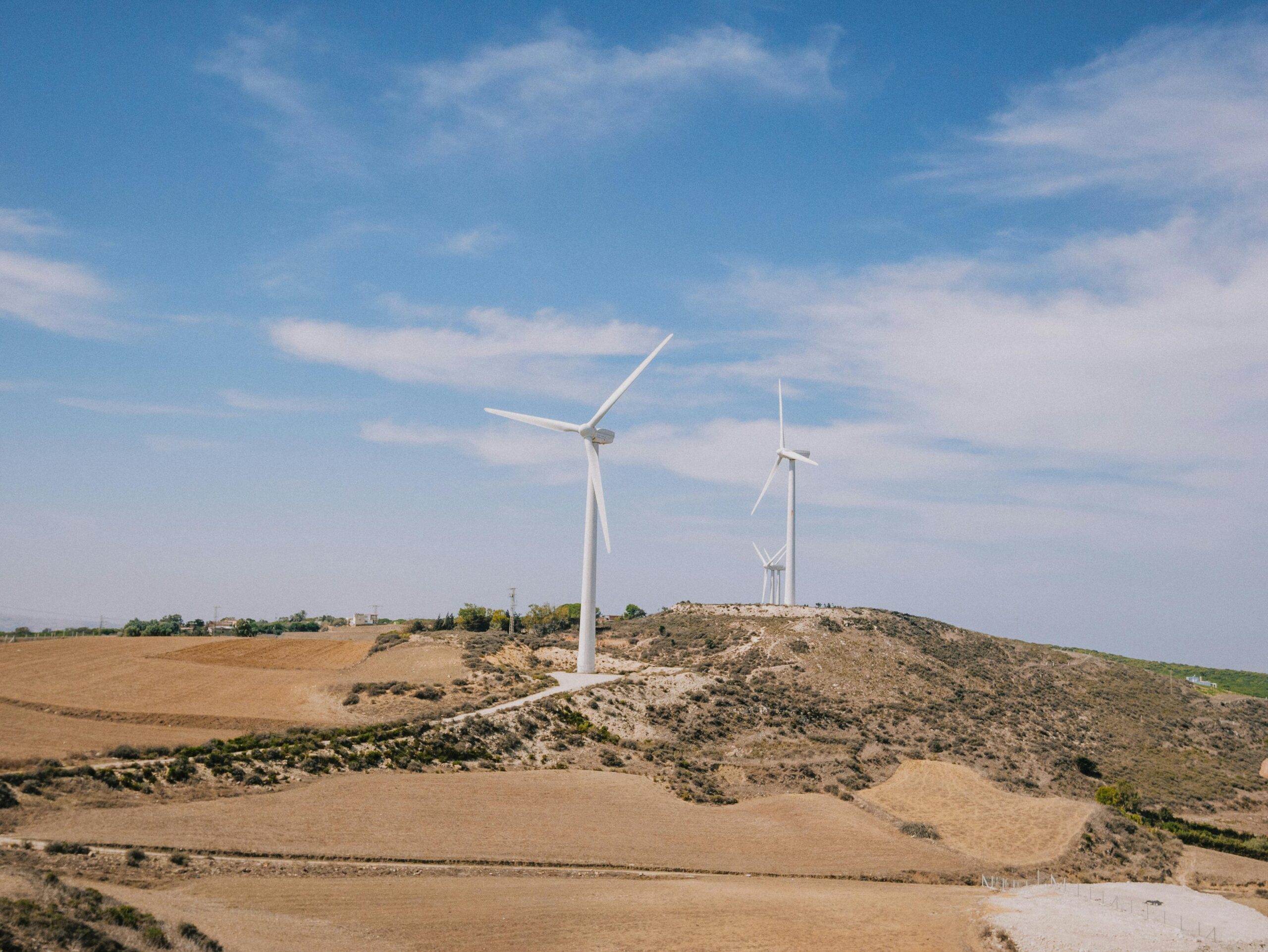
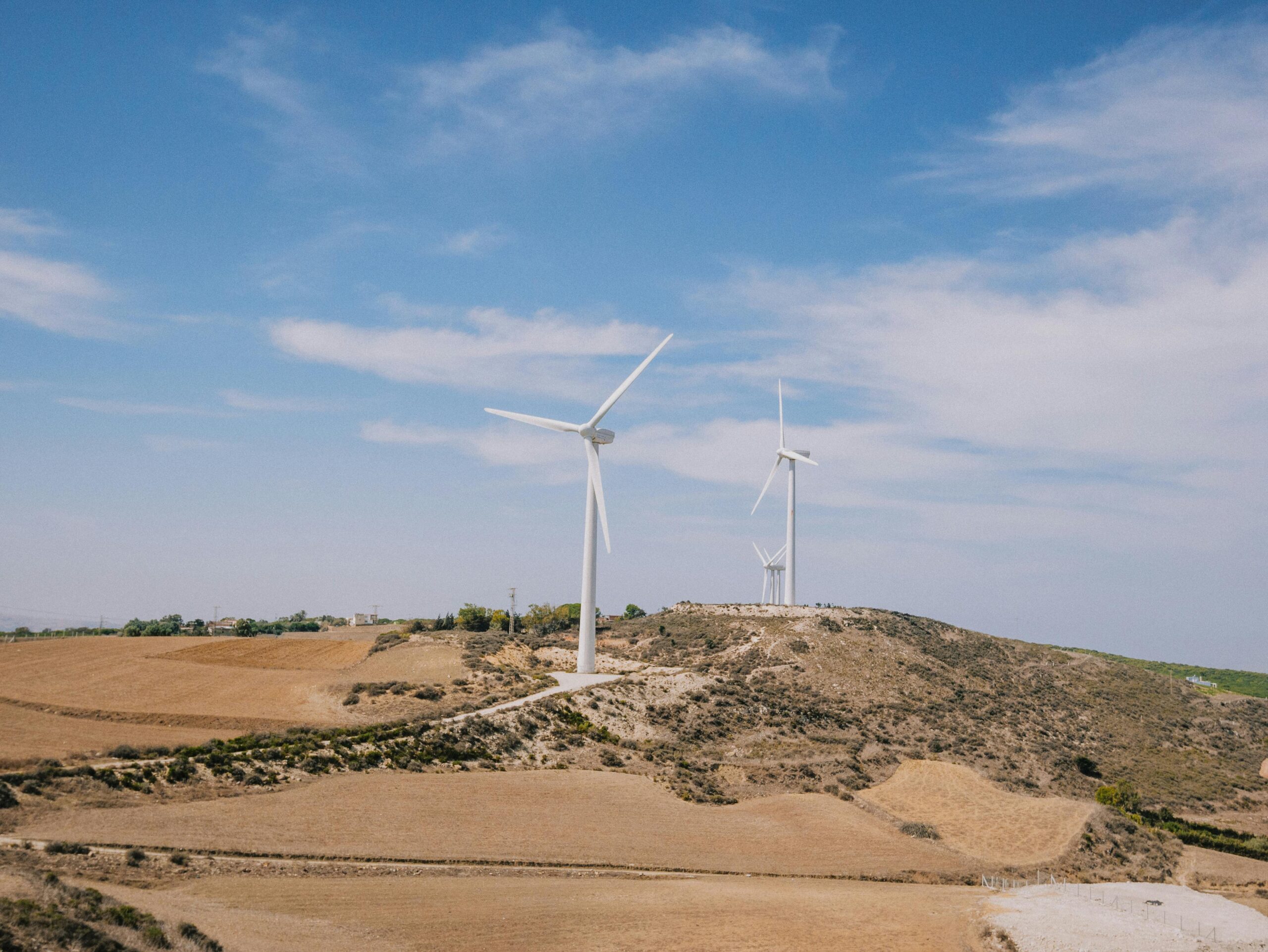
Wind generators require more intensive maintenance than solar installations due to their mechanical complexity. Bearing lubrication, blade balance, and gearbox condition directly impact longevity and energy production. Small turbines common in rural settings typically need professional inspection annually, with visual checks monthly.
Listen for unusual noises during operation—grinding, squealing, or irregular rhythmic sounds often indicate bearing wear or blade imbalance. Vibration increases suggest mounting problems or component failure. Address these issues promptly to prevent catastrophic breakdowns that require expensive replacements.
Lightning protection systems deserve special attention in open rural areas where turbines often occupy the highest points. Verify that grounding connections remain intact and corrosion-free, as compromised lightning protection can destroy electronic controllers and inverters during storms.
🔋 Battery Storage Systems: The Heart of Energy Independence
Energy storage represents perhaps the most critical component in off-grid and hybrid rural systems. Batteries buffer the intermittent nature of renewable sources and provide power during generation gaps. Their relatively short lifespan and sensitivity to operating conditions make proper maintenance essential for system economics.
Lead-acid batteries, still common in rural installations due to lower initial costs, require monthly electrolyte level checks and terminal cleaning. Corrosion at connections increases resistance, reducing charging efficiency and creating fire hazards. Apply anti-corrosion compound to terminals after cleaning with baking soda solution.
Lithium-ion battery systems demand less physical maintenance but require careful monitoring of charge cycles, temperature, and battery management system (BMS) alerts. Keep lithium batteries within manufacturer-specified temperature ranges—extreme heat or cold dramatically shortens lifespan and can create safety concerns.
Equalization charging for flooded lead-acid batteries should occur quarterly to balance cell voltages and prevent sulfation. This controlled overcharge removes sulfate crystals from plates, extending battery life significantly when performed correctly according to manufacturer specifications.
🛠️ Establishing Preventive Maintenance Schedules That Work
Reactive maintenance—fixing things only after they break—proves far more expensive than scheduled preventive care. Creating and following structured maintenance calendars reduces emergency repairs, extends equipment life, and improves system reliability dramatically.
Document all maintenance activities in a logbook, either paper-based or digital. Record dates, procedures performed, measurements taken, and observations about equipment condition. This historical data helps identify developing problems and proves invaluable when troubleshooting issues or planning upgrades.
Daily Quick Checks
Brief daily inspections catch problems before they escalate. Scan for indicator lights showing abnormal operation, check inverter displays for error codes, listen for unusual sounds from generators or inverters, and verify that battery voltage readings fall within normal ranges.
These five-minute walkarounds become habit quickly and provide early warning of developing issues. Morning checks are ideal as they reveal overnight problems and ensure systems are ready for the day’s energy demands.
Weekly Maintenance Tasks
Dedicate 30-60 minutes weekly to more thorough inspections. Check all visible wiring for damage or loose connections, verify that ventilation openings remain clear of debris, test generator starting systems, and inspect fuel levels and quality in backup generators.
Clean air filters on generator sets weekly during heavy use periods, as clogged filters reduce efficiency and increase wear. Monitor coolant levels in liquid-cooled generators and top up as needed with proper coolant mixture.
Monthly Comprehensive Reviews
Set aside a half-day monthly for detailed system evaluation. Perform battery-specific maintenance appropriate to your technology, clean solar panels thoroughly, inspect all mechanical connections for tightness, and review performance data for trends indicating declining efficiency.
Test backup systems even if not regularly used. Run diesel generators under load monthly to prevent fuel system gumming and keep components lubricated. Stale fuel causes starting problems and injector clogging—use fuel stabilizers if generators run infrequently.
🌍 Sustainability Practices for Long-Term Energy Security
True sustainability extends beyond renewable energy sources to encompass maintenance practices that minimize environmental impact while maximizing system longevity. Responsible component disposal, efficient resource use, and local capacity building create resilient energy systems.
Proper Waste Management
Battery disposal requires special handling due to toxic materials. Never discard lead-acid or lithium batteries with general waste. Contact battery suppliers about recycling programs—many offer core charges that incentivize proper recycling while offsetting replacement costs.
Used lubricants from wind turbines and generators contain heavy metals and should be collected for recycling rather than soil disposal. Many agricultural cooperatives organize collection events for used oils and provide proper disposal at minimal cost.
Water Conservation in Maintenance
Panel cleaning can consume significant water in large installations. Consider dry cleaning methods using soft brushes for light dust, reserving water washing for heavy soiling. Collect rainwater specifically for panel maintenance when feasible, reducing demand on wells or municipal supplies.
Waterless cleaning products designed for solar panels effectively remove most contamination without rinsing, though they cost more than simple water cleaning. Evaluate cost versus water scarcity when selecting cleaning approaches.
📊 Monitoring Technology: Smart Tools for Rural Energy Management
Modern monitoring systems transform maintenance from guesswork to data-driven decision-making. Even in remote locations with limited connectivity, basic monitoring equipment provides insights that improve reliability and reduce costs.
Battery monitors track voltage, current, state of charge, and cumulative amp-hours, revealing usage patterns and battery health trends. These relatively inexpensive devices pay for themselves by preventing over-discharge events that dramatically shorten battery lifespan.
Production meters on solar arrays and wind turbines establish baseline performance, making efficiency losses from dirt accumulation or component degradation immediately obvious. Comparing current output to historical data under similar conditions identifies problems requiring attention.
Temperature sensors on critical components provide early warning of bearing failures, overloaded circuits, and cooling system problems. Wireless sensor networks now function reliably even in rural settings, alerting system owners to developing issues before equipment fails.
👥 Building Local Maintenance Capacity and Knowledge Networks
Professional technicians may be hours away from rural installations, making basic troubleshooting skills essential for system owners and community members. Investing in training and knowledge sharing reduces downtime and emergency service costs substantially.
Establish relationships with equipment suppliers and installers who can provide telephone support for troubleshooting. Many component manufacturers offer excellent technical documentation and video tutorials that guide non-experts through common maintenance procedures safely.
Organize community training sessions where experienced users share knowledge with newer system owners. These informal knowledge networks prove invaluable when addressing region-specific challenges like particular pest problems or weather-related maintenance issues.
Keep comprehensive system documentation including wiring diagrams, equipment manuals, and warranty information in waterproof storage near the installation. When problems arise, this information helps users and technicians quickly understand the system configuration.
⚠️ Safety First: Essential Precautions for DIY Maintenance
Electrical systems pose serious injury and fire risks when handled improperly. Respect electrical safety protocols at all times, even with supposedly “low voltage” systems. Battery banks store tremendous energy capable of delivering lethal current through short circuits.
Always disconnect power sources before working on system components. Lock out disconnects to prevent accidental reconnection while maintenance is underway. Use insulated tools appropriate for electrical work and wear safety glasses when working near batteries.
Working at height on wind turbines or roof-mounted solar arrays requires proper fall protection equipment and training. Never climb towers or roofs alone—have someone present who can summon help if accidents occur.
Generator maintenance involves additional hazards including carbon monoxide, rotating components, and high temperatures. Run generators outdoors only, maintain adequate clearance from combustible materials, and allow cooling before servicing hot components.
💡 Optimizing Performance Through Seasonal Adjustments
Rural energy systems operate more efficiently when maintenance accounts for seasonal variations in sunlight, temperature, and usage patterns. Adjusting panel angles, preparing for temperature extremes, and anticipating demand changes all contribute to reliable year-round performance.
In regions with significant seasonal sun angle variation, adjusting solar panel tilt twice yearly—steeper for winter, shallower for summer—can increase annual production by 10-15%. Mark optimal positions on mounting hardware to simplify adjustments.
Prepare battery systems for temperature extremes before seasons change. Ensure adequate ventilation for cooling in summer, and consider insulation or heating elements for winter in freezing climates. Temperature extremes dramatically affect battery capacity and lifespan.
Pre-winter generator servicing prevents cold-weather starting problems. Change oil, replace fuel filters, test batteries, and verify block heaters function properly before freezing temperatures arrive. Spring startup after winter storage should include fresh fuel and comprehensive system checks.
🔧 Troubleshooting Common Rural Energy System Problems
Understanding typical failure modes helps diagnose problems quickly and implement appropriate solutions. While complex issues require professional assistance, recognizing common problems enables informed decision-making and sometimes simple self-remediation.
Declining solar output often results from dirty panels, aging equipment, or shading from growing vegetation. Clean panels first, then inspect for physical damage or discoloration indicating cell degradation. Trim trees that have grown to shade previously clear installations.
Frequent inverter shutdowns may indicate overloading, low battery voltage, or cooling problems. Review load patterns to ensure demand doesn’t exceed inverter capacity, check battery state of charge and health, and verify inverter ventilation remains unobstructed.
Generator starting failures typically stem from dead batteries, fuel problems, or control system issues. Test starting battery condition, verify fresh fuel delivery to the engine, and check that automatic transfer switches and controllers receive proper signals.

🌟 Future-Proofing Your Rural Energy Investment
Energy systems represent significant investments that should serve communities for decades. Planning for expansion, component upgrades, and emerging technologies ensures systems remain relevant and economical throughout their service life.
Install conduit and wiring capacity beyond immediate needs to accommodate future expansion without major reconstruction. The incremental cost of slightly larger wire and additional conduit is minimal during initial installation but saves tremendously when adding capacity later.
Choose system architectures that accommodate mixed technologies and component upgrades. Open protocols and standard interfaces prevent vendor lock-in and enable gradual technology improvements without complete system replacement.
Monitor emerging storage technologies and grid connection opportunities. Battery costs continue declining while performance improves—planning for eventual storage upgrades maximizes long-term system economics and reliability.
Regular maintenance, thoughtful sustainability practices, and continuous learning create rural energy systems that reliably power countryside communities for generations. The investment in proper care pays dividends through reduced failures, extended equipment life, and the energy security that enables rural prosperity.

Toni Santos is a visual storyteller and archival artisan whose creative journey is steeped in the bold colors, dramatic typography, and mythic imagery of old circus posters. Through his artistic lens, Toni breathes new life into these once-lurid canvases of wonder, transforming them into tributes to a golden era of spectacle, showmanship, and cultural fantasy.
Fascinated by the visual language of vintage circuses — from roaring lions to gravity-defying acrobats, from hand-painted banners to gothic typefaces — Toni explores how these posters once captured the imagination of entire towns with nothing more than ink, illusion, and a promise of awe. Each composition he creates or studies is a dialogue with history, nostalgia, and the raw aesthetics of entertainment on the move.
With a background in handcrafted design and visual heritage, Toni blends artistic sensitivity with historical insight. His work traces the forgotten typographies, chromatic choices, and symbolic flair that defined circus marketing in the 19th and early 20th centuries — a time when posters were not just advertisements, but portable portals to dreamworlds.
As the creative force behind Vizovex, Toni curates collections, illustrations, and thoughtful narratives that reconnect modern audiences with the magic of old circus art — not just as ephemera, but as cultural memory etched in paper and pigment.
His work is a tribute to:
The flamboyant storytelling of early circus posters
The lost art of hand-lettered show promotion
The timeless charm of visual fantasy in public space
Whether you’re a vintage print enthusiast, a circus history lover, or a designer inspired by antique aesthetics, Toni invites you into a world where tigers leap through fire, strongmen pose in perfect symmetry, and every corner of the poster whispers: Step right up.