The agricultural sector stands at a crossroads where traditional farming meets innovative renewable energy technologies, creating unprecedented opportunities for sustainable livestock operations worldwide.
Livestock farming has long been recognized as one of the most energy-intensive sectors within agriculture, consuming vast amounts of electricity and fossil fuels for daily operations. From heating barns during winter months to powering milking equipment, ventilation systems, and water pumps, the energy demands of modern livestock facilities continue to rise. This increasing consumption not only impacts operational costs but also contributes significantly to greenhouse gas emissions and environmental degradation.
The integration of renewable energy solutions into livestock operations represents more than just an environmental imperative—it’s becoming an economic necessity. Farmers worldwide are discovering that sustainable energy systems can dramatically reduce overhead costs while simultaneously enhancing their operations’ resilience and long-term viability. This transformation is reshaping how we think about food production and rural energy independence.
🌾 Understanding Energy Demands in Modern Livestock Farming
Before exploring renewable solutions, it’s essential to understand the substantial energy requirements of contemporary livestock operations. The average dairy farm, for instance, can consume between 300 to 500 kilowatt-hours per cow annually, while poultry operations require consistent climate control and lighting systems that operate around the clock.
Temperature regulation represents one of the largest energy expenditures for livestock facilities. Maintaining optimal conditions for animal health and productivity requires sophisticated heating and cooling systems that run continuously throughout the year. Additionally, modern milking parlors utilize vacuum pumps, refrigeration units, and automated cleaning systems that collectively demand significant electrical power.
Water management systems, feed processing equipment, and waste handling infrastructure further compound these energy needs. As farms scale up to meet growing global demand for animal products, their energy consumption increases proportionally, making the transition to renewable sources increasingly attractive from both financial and environmental perspectives.
Solar Power: Harnessing Sunlight for Livestock Excellence ☀️
Solar energy has emerged as the frontrunner among renewable solutions for livestock operations, offering versatility, scalability, and decreasing installation costs. Photovoltaic panels can be strategically mounted on barn roofs, unused land parcels, or even integrated into grazing areas through innovative agrivoltaic systems that combine energy generation with pasture management.
The financial case for solar adoption has strengthened considerably in recent years. With installation costs dropping by more than 70% over the past decade, many livestock operations can achieve return on investment within 5-7 years. Federal tax incentives, state rebates, and renewable energy credits further sweeten the deal, making solar installations accessible even to mid-sized family farms.
Practical applications extend beyond simple electricity generation. Solar thermal systems can heat water for barn cleaning and animal care, while solar-powered pumps provide reliable irrigation and drinking water access in remote grazing areas. Some progressive farms have implemented complete off-grid solar systems, achieving energy independence while eliminating vulnerability to grid disruptions and price fluctuations.
Optimizing Solar Systems for Livestock Applications
Successful solar implementation requires careful planning and system design tailored to specific operational needs. Energy consumption patterns in livestock facilities typically peak during early morning and evening hours for milking operations, creating opportunities for battery storage integration that captures midday solar production for later use.
Modern monitoring systems allow farmers to track energy generation and consumption in real-time, identifying inefficiencies and optimizing performance. These smart systems can automatically adjust power distribution based on priority tasks, ensuring critical operations like refrigeration and ventilation maintain uninterrupted service even during periods of reduced solar output.
Wind Energy: Capturing Nature’s Power for Pastoral Productivity 💨
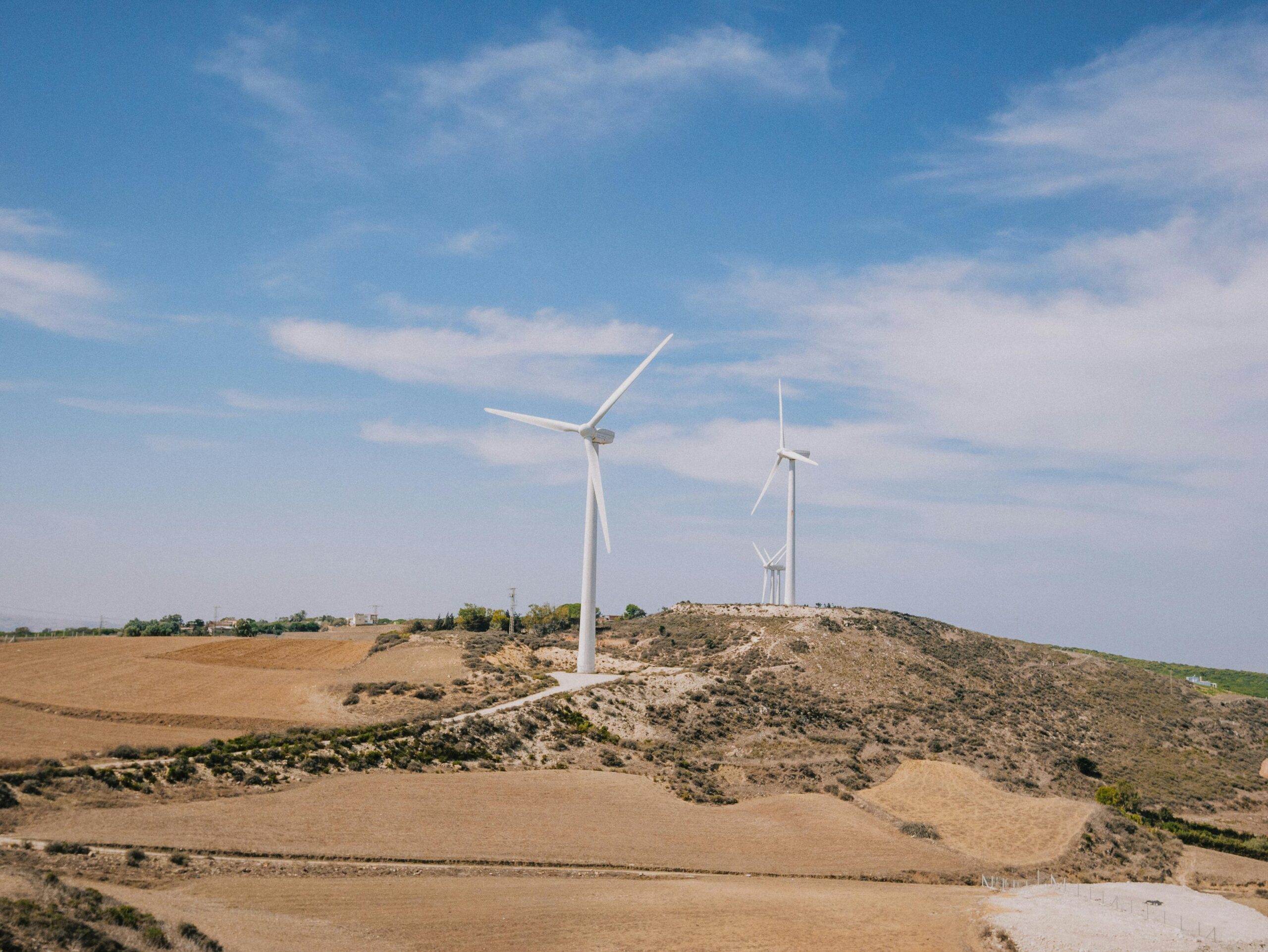
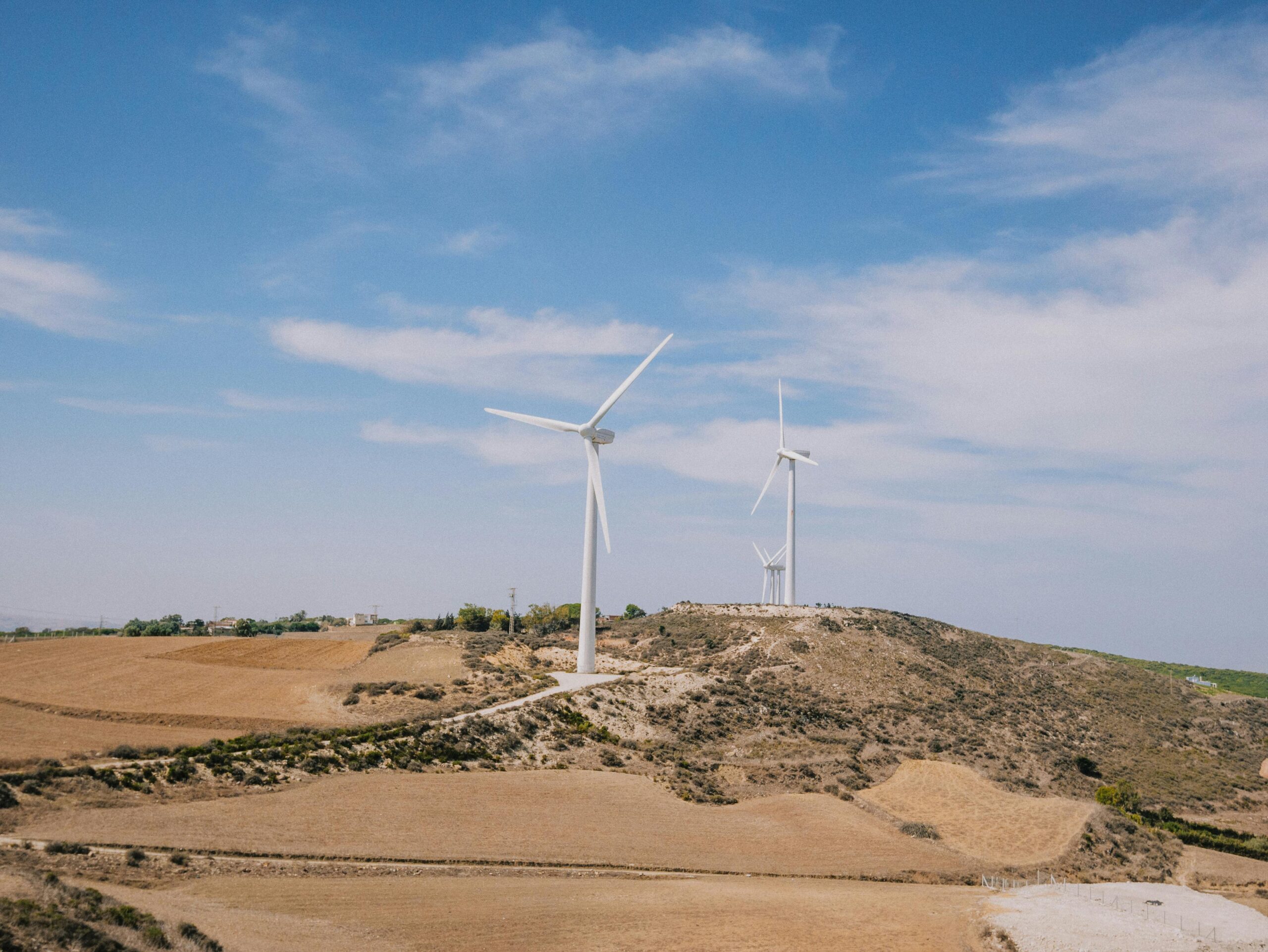
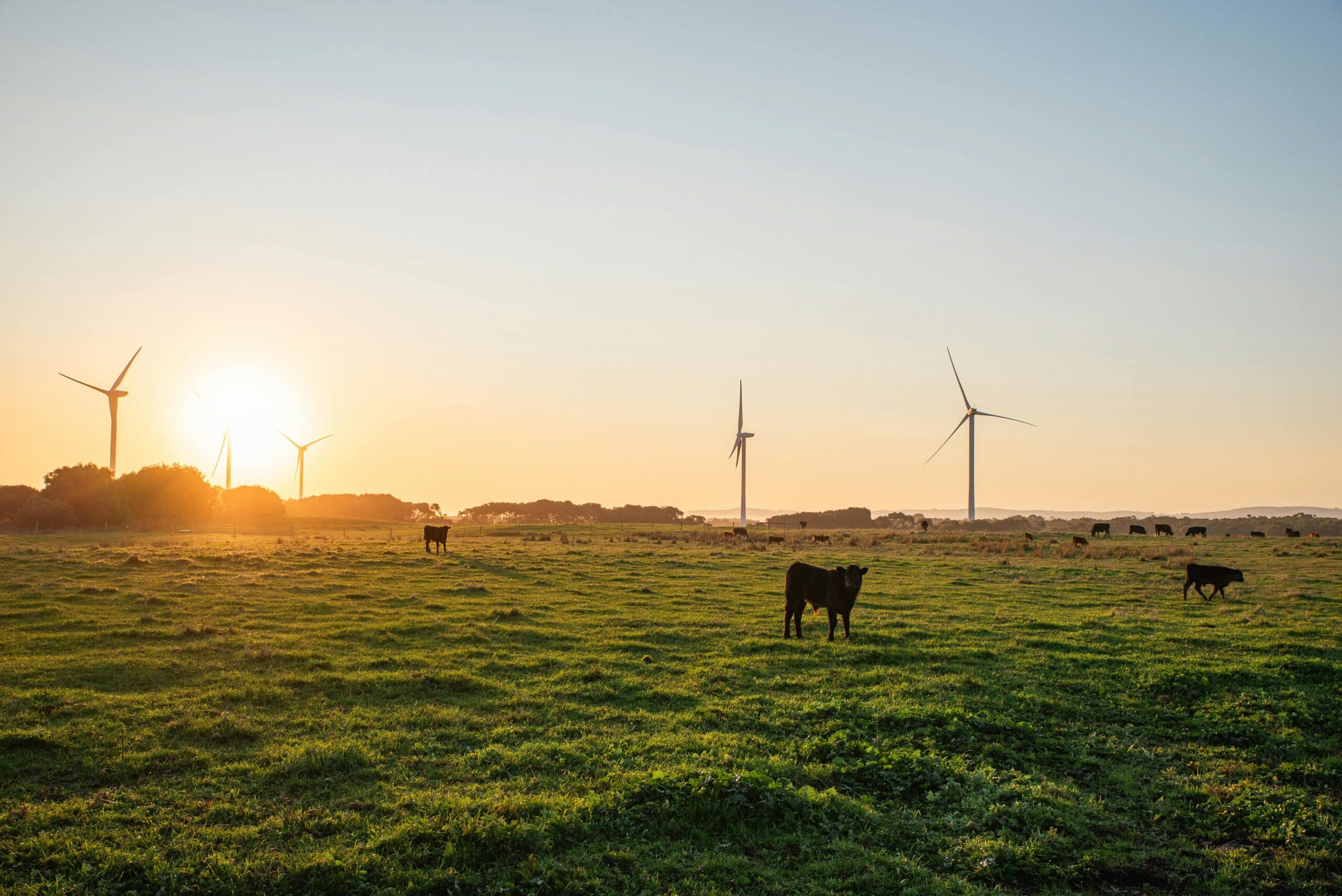
Wind turbines represent another compelling renewable option, particularly for farms situated in regions with consistent wind resources. While requiring more substantial initial investment than solar panels, wind systems can generate electricity even during nighttime hours when livestock facilities maintain significant energy demands.
Small-scale wind turbines ranging from 5 to 100 kilowatts have proven ideal for individual farm operations, while larger installations can serve multiple facilities or feed excess production back into the grid for additional revenue. The vertical space occupied by wind turbines preserves valuable ground area for grazing and crop production, making them space-efficient additions to diversified farming operations.
Hybrid systems combining wind and solar capabilities offer exceptional reliability by compensating for each technology’s limitations. When solar production decreases during cloudy conditions or winter months, wind resources often increase, creating complementary generation patterns that stabilize overall energy supply throughout seasonal variations.
Biogas: Transforming Waste into Wealth 🔄
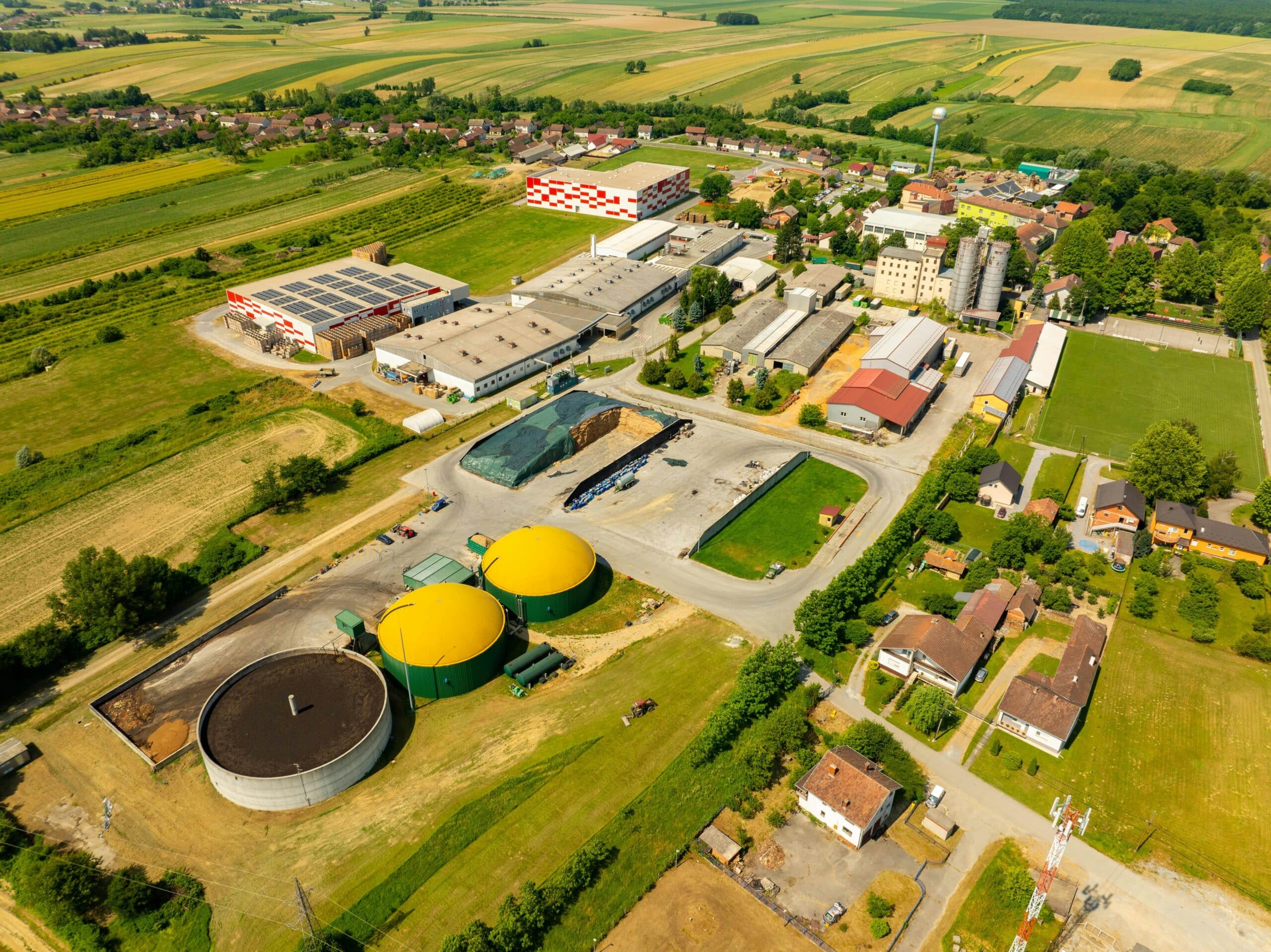
Perhaps no renewable technology demonstrates circular economy principles more elegantly than anaerobic digestion systems that convert livestock manure into usable biogas. This approach simultaneously addresses waste management challenges while generating renewable energy, creating a closed-loop system that exemplifies sustainable agriculture.
Anaerobic digesters process animal waste in oxygen-free environments, breaking down organic material through bacterial action that produces methane-rich biogas. This gas can fuel generators for electricity production, provide heating through direct combustion, or undergo upgrading for injection into natural gas pipelines or use as vehicle fuel.
The residual material remaining after digestion, called digestate, serves as nutrient-rich fertilizer superior to raw manure in many applications. This byproduct typically contains higher concentrations of plant-available nitrogen while producing significantly reduced odors compared to traditional manure management practices.
Economic Considerations for Biogas Implementation
Biogas systems represent substantial upfront investments, typically requiring larger livestock operations to achieve economic viability. Dairy farms with 500 or more cows, or pig operations with several thousand animals, generally possess sufficient waste volumes to justify installation costs ranging from $400,000 to several million dollars depending on system capacity and sophistication.
However, diverse revenue streams enhance financial returns beyond simple energy savings. Tipping fees for accepting organic waste from neighboring farms or food processing facilities, renewable energy credits, and premium pricing for organic fertilizer products can collectively improve payback periods to 7-10 years or less under favorable conditions.
Geothermal Systems: Stable Temperature Management Underground 🌡️
Geothermal heat pumps leverage the earth’s constant underground temperature to provide efficient heating and cooling for livestock facilities. These systems circulate fluid through underground pipes, extracting warmth during winter and dissipating heat during summer months with remarkable energy efficiency compared to conventional HVAC systems.
While geothermal installations require higher initial investments than traditional heating systems, they deliver operational cost reductions of 30-70% for climate control—often the largest energy expense for confined animal operations. The technology proves particularly valuable for swine and poultry facilities requiring precise temperature maintenance for optimal animal health and growth rates.
Ground-source heat pumps also offer exceptional longevity, with underground loop systems lasting 50+ years and heat pump units functioning reliably for 20-25 years. This durability translates to lower lifecycle costs and reduced environmental impact through decreased equipment replacement frequency.
Energy Storage: Bridging Production and Consumption Gaps 🔋
The intermittent nature of solar and wind generation necessitates effective energy storage solutions for farms seeking maximum independence from grid electricity. Battery technology has advanced dramatically, with lithium-ion systems offering compact, efficient storage increasingly affordable for agricultural applications.
Strategic battery integration allows farms to capture excess renewable generation during peak production periods and deploy stored energy during high-demand times or when renewable sources aren’t actively generating. This capability reduces reliance on expensive grid electricity during peak-rate periods while providing backup power during outages that could otherwise compromise animal welfare and product quality.
Emerging technologies like flow batteries and compressed air energy storage show promise for longer-duration storage applications, potentially enabling farms to maintain several days’ worth of energy reserves for enhanced resilience against extended weather events or grid disruptions.
Smart Farm Energy Management: Maximizing Efficiency Through Technology 📊
Advanced monitoring and control systems transform renewable energy installations from passive generation assets into active, optimized components of intelligent farm operations. Internet-of-Things sensors track energy production, consumption patterns, environmental conditions, and equipment performance, feeding data into analytics platforms that identify optimization opportunities.
Automated systems can schedule energy-intensive tasks like grain drying or water heating during periods of peak renewable generation, minimizing grid electricity purchases. Predictive algorithms forecast energy availability based on weather patterns, enabling proactive operational planning that aligns farm activities with renewable resource availability.
These intelligent systems also facilitate participation in demand response programs where utilities compensate farms for reducing consumption during peak demand periods. Such programs create additional revenue streams while supporting grid stability—a win-win arrangement that rewards sustainable energy practices.
Financial Incentives and Support Programs 💰
Numerous government programs, utility incentives, and private financing options have emerged to support renewable energy adoption in agriculture. The USDA’s Rural Energy for America Program (REAP) provides grants covering up to 25% of project costs alongside loan guarantees for renewable energy installations on farms and rural businesses.
Federal investment tax credits allow livestock operations to deduct significant percentages of solar, wind, and geothermal system costs from their tax liability, while accelerated depreciation schedules further enhance financial returns. Many states supplement these federal incentives with additional rebates, property tax exemptions, and renewable energy credit programs.
Innovative financing mechanisms like power purchase agreements and solar leasing arrangements eliminate upfront capital requirements, allowing farms to adopt renewable systems with zero initial investment while immediately reducing energy costs through below-market electricity rates.
Environmental and Social Benefits Beyond Energy Savings 🌍
The transition to renewable energy delivers benefits extending far beyond reduced utility bills. Livestock operations adopting clean energy technologies significantly decrease their carbon footprints, helping combat climate change while meeting growing consumer demand for sustainably produced food products.
Reduced reliance on fossil fuels enhances rural energy security and keeps energy dollars circulating within local agricultural communities rather than flowing to distant utility companies or fossil fuel producers. This economic localization strengthens rural economies and creates skilled employment opportunities in renewable installation, maintenance, and management sectors.
Progressive livestock operations showcasing renewable energy commitment often command premium prices for their products from environmentally conscious consumers. This market differentiation can provide competitive advantages and open new distribution channels through sustainability-focused retailers and direct-to-consumer platforms.
Overcoming Implementation Challenges and Barriers ⚡
Despite compelling advantages, renewable energy adoption in livestock operations faces legitimate obstacles. High upfront costs represent the most significant barrier, particularly for smaller family farms operating on thin profit margins. Technical complexity can intimidate farmers lacking engineering expertise, while concerns about reliability during critical operations create hesitation.
Addressing these challenges requires comprehensive education, accessible technical assistance, and continued policy support. Agricultural extension services increasingly offer renewable energy expertise, helping farmers navigate technology selection, system sizing, permitting processes, and financing options.
Cooperative approaches where multiple farms jointly invest in shared renewable infrastructure can distribute costs while achieving economies of scale. Community solar programs and agricultural energy cooperatives represent emerging models that democratize access to clean energy benefits regardless of individual farm size or capital availability.
Future Horizons: Emerging Technologies and Trends 🚀
The renewable energy landscape continues evolving rapidly, with innovations promising even greater opportunities for sustainable livestock operations. Transparent solar panels that generate electricity while allowing light transmission could transform greenhouse and barn glazing into power-generating surfaces without sacrificing natural illumination.
Artificial intelligence and machine learning applications will further optimize energy systems, predicting consumption patterns with increasing accuracy while automatically adjusting operations to maximize renewable utilization. Blockchain technologies may enable peer-to-peer energy trading among farms, creating local energy marketplaces that enhance rural economic development.
Green hydrogen production using excess renewable electricity offers potential for seasonal energy storage and carbon-neutral fuel alternatives for farm equipment and transportation. As electrification of agricultural machinery accelerates, integrated renewable systems could power everything from tractors to delivery vehicles, completing the transition to fully sustainable farm operations.
Building a Sustainable Legacy Through Renewable Integration 🌱
The transformation of livestock operations through renewable energy adoption represents more than technological modernization—it embodies a fundamental reimagining of agriculture’s relationship with natural resources and environmental stewardship. Farmers implementing these solutions become energy producers alongside food producers, diversifying their operations while building resilience against volatile energy markets.
Success stories from early adopters demonstrate that renewable integration isn’t just environmentally responsible—it’s economically sound and operationally advantageous. Farms achieving energy independence report enhanced profitability, reduced vulnerability to external shocks, and improved ability to plan long-term investments with predictable energy costs.
The journey toward sustainable livestock operations powered by renewable energy requires vision, investment, and commitment. However, the rewards—financial, environmental, and social—justify the effort many times over. As technology costs continue declining and support systems strengthen, renewable energy transitions will shift from exceptional to expected, establishing new standards for responsible agricultural practice.
For livestock farmers contemplating this transition, the question is no longer whether to adopt renewable energy, but rather which combination of technologies best suits their specific operational needs, geographic conditions, and financial circumstances. With comprehensive planning, appropriate technical support, and access to available incentives, farms of virtually any size can begin capturing renewable energy’s transformative benefits while building more sustainable futures for coming generations.

Toni Santos is a visual storyteller and archival artisan whose creative journey is steeped in the bold colors, dramatic typography, and mythic imagery of old circus posters. Through his artistic lens, Toni breathes new life into these once-lurid canvases of wonder, transforming them into tributes to a golden era of spectacle, showmanship, and cultural fantasy.
Fascinated by the visual language of vintage circuses — from roaring lions to gravity-defying acrobats, from hand-painted banners to gothic typefaces — Toni explores how these posters once captured the imagination of entire towns with nothing more than ink, illusion, and a promise of awe. Each composition he creates or studies is a dialogue with history, nostalgia, and the raw aesthetics of entertainment on the move.
With a background in handcrafted design and visual heritage, Toni blends artistic sensitivity with historical insight. His work traces the forgotten typographies, chromatic choices, and symbolic flair that defined circus marketing in the 19th and early 20th centuries — a time when posters were not just advertisements, but portable portals to dreamworlds.
As the creative force behind Vizovex, Toni curates collections, illustrations, and thoughtful narratives that reconnect modern audiences with the magic of old circus art — not just as ephemera, but as cultural memory etched in paper and pigment.
His work is a tribute to:
The flamboyant storytelling of early circus posters
The lost art of hand-lettered show promotion
The timeless charm of visual fantasy in public space
Whether you’re a vintage print enthusiast, a circus history lover, or a designer inspired by antique aesthetics, Toni invites you into a world where tigers leap through fire, strongmen pose in perfect symmetry, and every corner of the poster whispers: Step right up.