Access to reliable, affordable energy remains one of the most significant barriers to rural development across the globe, affecting billions of lives and limiting economic opportunities.
Rural communities worldwide face unique challenges when it comes to energy access. While urban centers enjoy continuous electricity and modern infrastructure, millions in remote areas struggle with darkness after sunset, limited refrigeration for food and medicine, and restricted access to digital communication tools that connect the modern world.
The gap between urban and rural energy access isn’t just about convenience—it’s about fundamental quality of life, educational opportunities, healthcare access, and economic empowerment. According to recent data, approximately 770 million people still lack access to electricity, with the vast majority living in rural areas of sub-Saharan Africa and developing Asia.
⚡ The Energy Access Challenge in Rural Settings
Understanding the rural energy landscape requires examining multiple interconnected factors that make traditional grid extension impractical or economically unfeasible. The low population density in rural areas means fewer customers per kilometer of power lines, making grid infrastructure investments less attractive to utility companies and governments with limited resources.
Geographic barriers compound these challenges. Mountainous terrain, dense forests, deserts, and island communities present significant infrastructure obstacles. The cost of extending transmission lines across difficult terrain can escalate quickly, sometimes exceeding $10,000 per kilometer in challenging environments.
Beyond physical infrastructure, rural communities often face economic constraints that perpetuate the energy access gap. Lower average incomes mean limited ability to pay connection fees or monthly electricity bills, creating a cycle where utilities avoid investment due to perceived low returns, while communities remain trapped without access to energy services that could improve their economic prospects.
Climate Vulnerability and Energy Needs
Rural areas are disproportionately affected by climate change, yet they often lack the energy resources needed for climate adaptation. Farmers require irrigation pumps to cope with changing rainfall patterns, cooling systems to preserve harvests, and weather monitoring technology—all dependent on reliable electricity.
Traditional energy sources used in off-grid rural communities—kerosene lamps, diesel generators, and biomass burning—contribute to both indoor air pollution and greenhouse gas emissions. The World Health Organization estimates that household air pollution from inefficient cooking practices causes approximately 3.8 million premature deaths annually, with rural populations bearing the heaviest burden.
🌞 Solar Solutions: Democratizing Energy Access
Solar photovoltaic technology has emerged as a transformative force for rural electrification, offering scalable solutions from individual household systems to community microgrids. The dramatic cost reduction in solar panels—dropping more than 90% over the past decade—has made solar energy economically competitive with or superior to diesel generators and grid extension in many rural contexts.
Solar home systems represent the entry point for many rural households transitioning from complete darkness to basic electricity access. These systems typically include solar panels ranging from 10 to 100 watts, a battery for energy storage, LED lights, and charging ports for mobile phones and small appliances.
The pay-as-you-go financing model has revolutionized solar adoption in rural areas. Companies leverage mobile money platforms to offer affordable payment plans, allowing households to purchase systems through small daily or weekly installments. This approach has proven particularly successful in East Africa, where companies have deployed millions of systems across Kenya, Tanzania, and Uganda.
Community Solar Microgrids
While individual solar home systems provide basic services, community microgrids deliver higher power capacities that can support productive uses of electricity—small businesses, agricultural processing, cold storage, and workshop equipment that drive economic development.
Microgrids combine solar generation with battery storage and smart distribution networks to serve entire villages or communities. These systems can operate independently or connect to the main grid when available, providing flexibility and resilience. Modern microgrids incorporate advanced monitoring and control systems that optimize energy distribution and enable remote management.
Successful microgrid projects demonstrate impressive development outcomes. In India’s rural Bihar state, microgrid-connected villages reported significant increases in study hours among children, extended business operating hours, and new entrepreneurial activities including mobile repair shops, tailoring businesses, and food processing enterprises.
💨 Wind and Hybrid Systems: Diversifying Rural Energy Portfolios
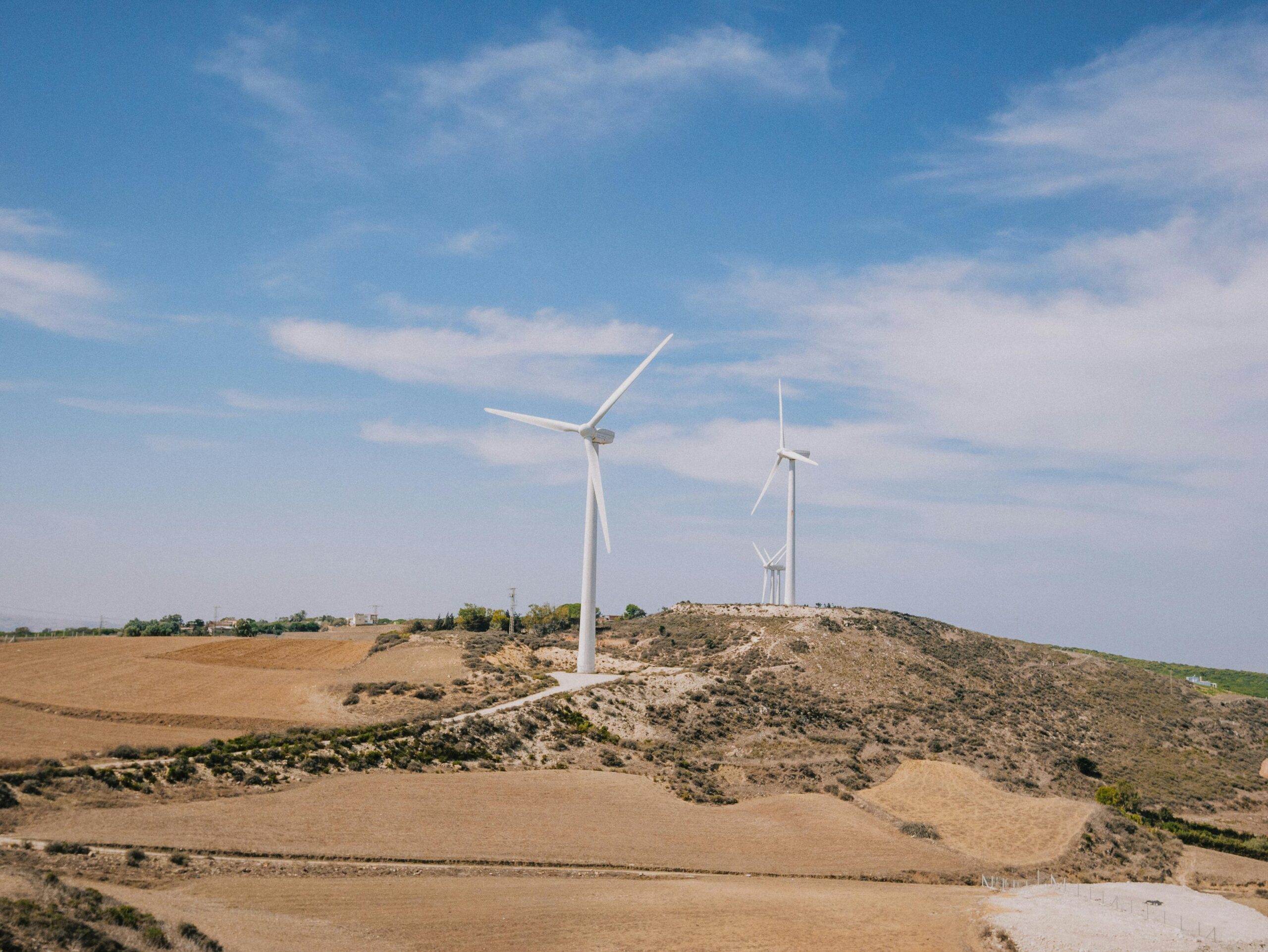
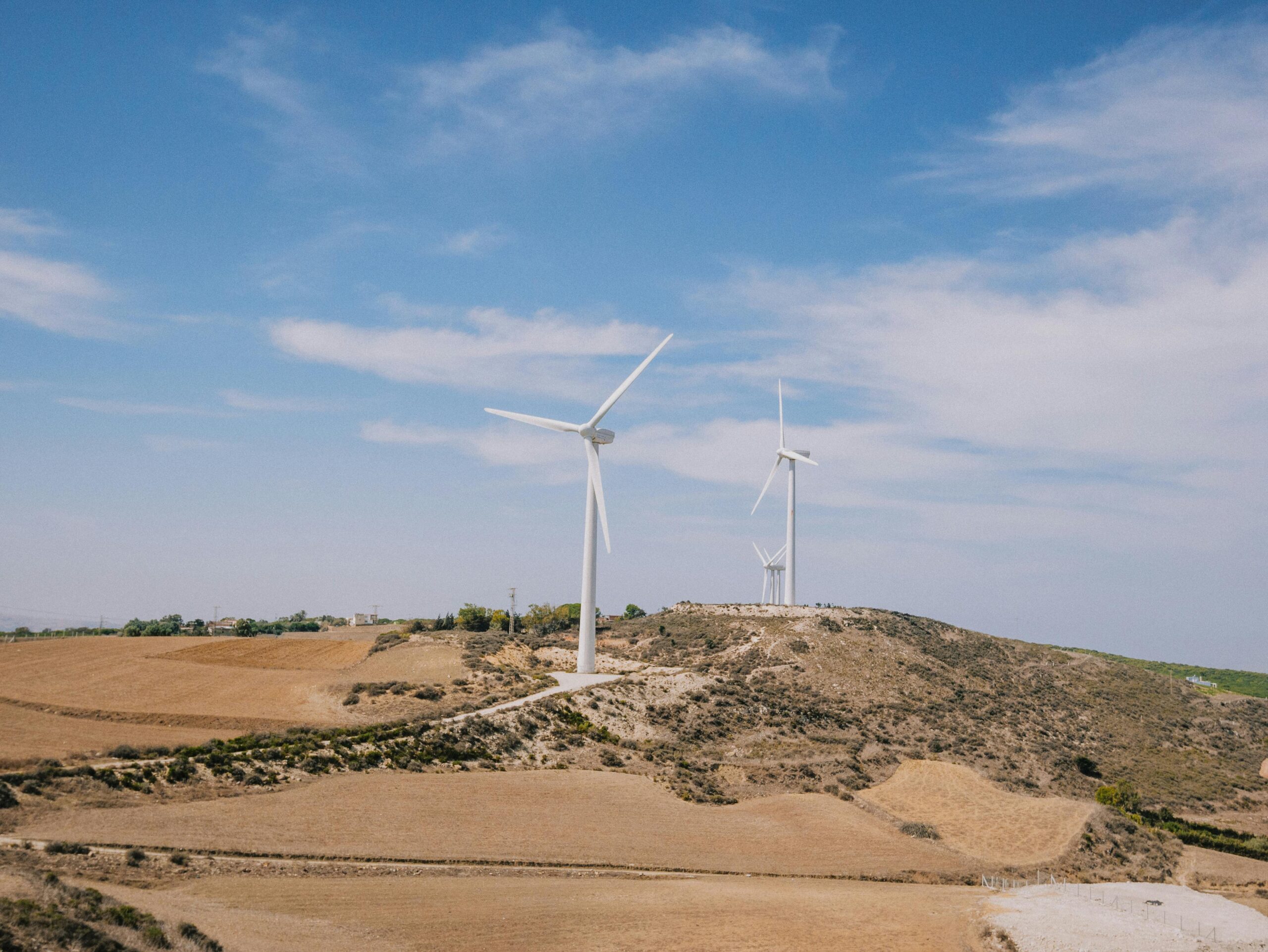
Small-scale wind turbines offer complementary generation options, particularly in regions with consistent wind resources. While solar energy dominates daytime generation, wind can provide valuable nighttime electricity production, creating more balanced energy availability across 24-hour cycles.
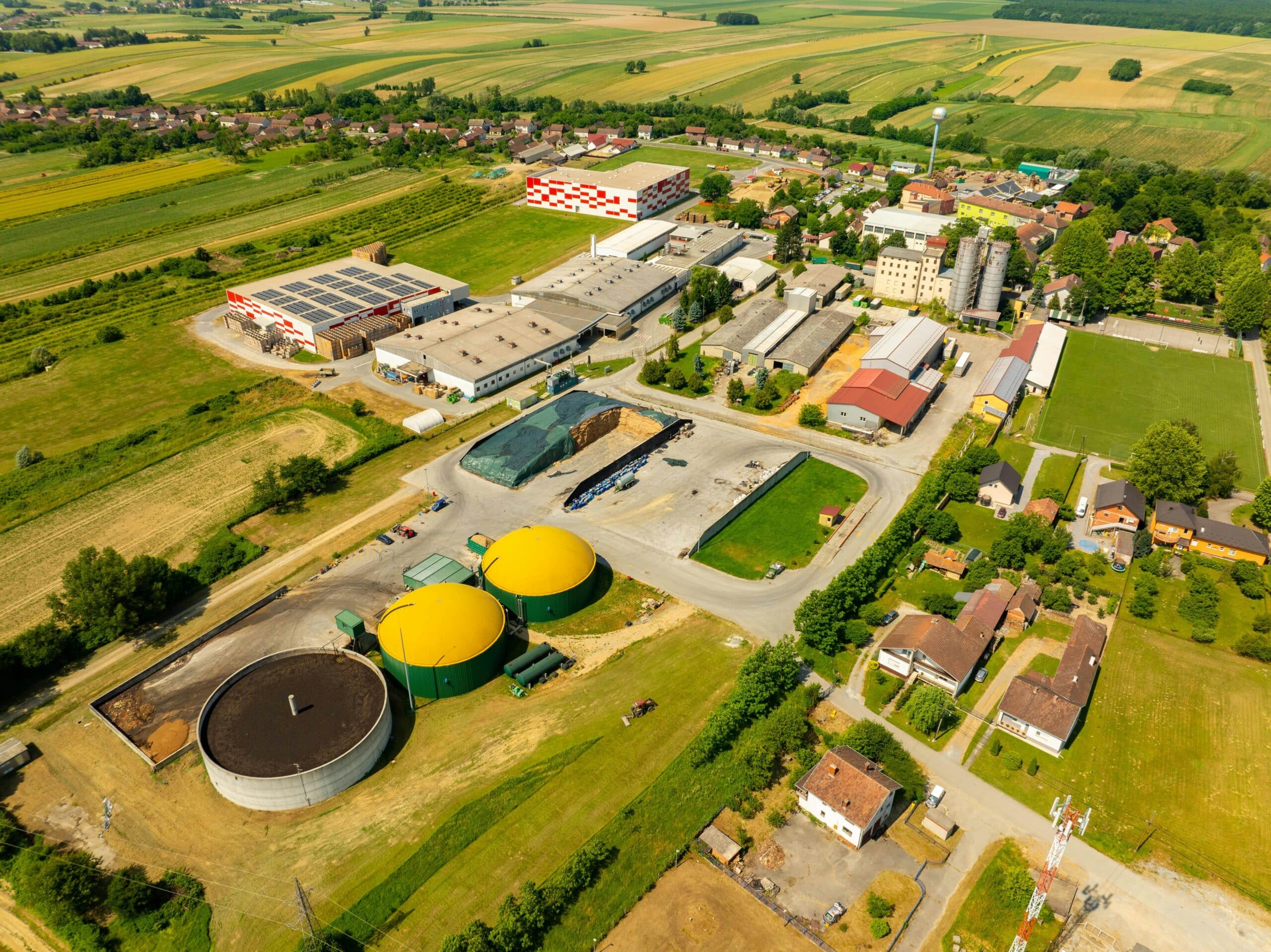
Hybrid renewable energy systems combine multiple generation sources—typically solar and wind, sometimes with small hydroelectric or biomass components—alongside battery storage and backup generators. This diversification increases system reliability and reduces storage requirements, as different sources generate electricity at different times.
Wind-solar hybrid microgrids have proven particularly effective in coastal communities, agricultural plains, and highland areas where wind resources complement solar availability. These systems optimize capacity utilization and provide more stable power output throughout seasonal variations.
🌊 Micro-Hydropower: Harnessing Water Resources
For rural communities near rivers or streams with adequate flow and elevation drop, micro-hydropower offers reliable, continuous electricity generation. Unlike solar and wind, hydropower provides baseload generation—consistent output regardless of time of day or weather conditions.
Run-of-river micro-hydro systems require minimal environmental disruption, avoiding large dams while harnessing flowing water energy. These systems can serve single villages or clusters of communities, with capacities ranging from a few kilowatts to several hundred kilowatts.
Community ownership models for micro-hydro have demonstrated strong sustainability outcomes. When local stakeholders invest in, own, and operate systems, maintenance improves and revenues circulate within communities. Nepal’s community micro-hydro program has electrified thousands of villages through this locally-driven approach.
🔋 Energy Storage: The Critical Enabler
Battery storage technology represents the linchpin enabling reliable renewable energy systems in rural areas. Storage bridges the gap between when renewable energy is generated and when it’s needed, ensuring electricity availability regardless of weather conditions or time of day.
Lithium-ion batteries have become the dominant storage technology for rural renewable systems, benefiting from economies of scale driven by electric vehicle markets. Costs have declined substantially while performance, cycle life, and energy density have improved significantly.
Emerging storage technologies promise additional improvements. Saltwater batteries offer non-toxic, fully recyclable alternatives. Flow batteries provide long-duration storage for larger community systems. Even compressed air and thermal storage solutions are being adapted for rural microgrid applications.
Smart Energy Management
Modern rural energy systems increasingly incorporate intelligent controls that optimize generation, storage, and consumption. Smart meters, load management systems, and automated controls maximize system efficiency and extend component lifespans.
Mobile applications enable users to monitor their energy consumption, check system status, and manage loads remotely. These digital tools empower consumers to optimize their electricity use while providing system operators with valuable data for maintenance and expansion planning.
💡 Productive Use of Energy: Catalyzing Economic Development
Energy access delivers maximum development impact when it powers income-generating activities beyond basic lighting and phone charging. Productive use of electricity—for agriculture, small manufacturing, services, and commerce—creates the economic returns that make energy investments sustainable.
Agricultural applications demonstrate particularly strong impacts. Solar-powered irrigation increases crop yields and enables multiple growing seasons. Cold storage reduces post-harvest losses, allowing farmers to store produce and sell when prices are favorable. Processing equipment adds value to raw agricultural products, increasing farmer incomes.
Small enterprises flourish with reliable electricity access. Tailoring businesses extend operating hours and adopt electric sewing machines. Carpentry workshops use power tools that improve productivity. Food vendors operate refrigeration for perishable products. Beauty salons offer services requiring electrical equipment.
Healthcare and Education Improvements
Rural clinics with electricity can refrigerate vaccines, operate medical equipment, provide lighting for nighttime emergencies, and power communication devices for emergency referrals. These capabilities dramatically improve healthcare delivery in remote areas.
Schools benefit from lighting that enables evening classes and adult education programs, computer equipment for digital learning, and internet connectivity that connects rural students with global educational resources. Studies consistently show improved educational outcomes in electrified schools compared to those without power.
🤝 Innovative Financing Models Making Energy Accessible
Traditional financing approaches often fail to serve rural energy markets due to perceived risks, small transaction sizes, and lack of collateral. Innovative models have emerged to bridge this gap and unlock capital for rural electrification.
Pay-as-you-go systems, enabled by mobile money integration, allow customers to purchase energy systems through affordable micropayments. This approach eliminates upfront cost barriers while building credit histories that can unlock access to other financial services.
Results-based financing ties funding disbursement to verified connection and usage outcomes rather than simply infrastructure deployment. This approach ensures that investments deliver actual energy access rather than just installed capacity.
Community-based financing pools local resources and external investment. Cooperative models allow community members to invest collectively, building local ownership while sharing risks and benefits. These approaches have proven particularly effective in Latin America and parts of Asia.
🌍 Policy Frameworks Supporting Rural Energy Transformation
Enabling policy environments accelerate rural energy access by reducing barriers, providing incentives, and establishing clear regulatory frameworks. Successful policies balance private sector innovation with public interest protection and universal access goals.
Renewable energy targets and mandates create clear market signals that drive investment. Feed-in tariffs and power purchase agreements provide revenue certainty for clean energy projects. Tax incentives and import duty exemptions reduce system costs.
Streamlined licensing and permitting processes reduce bureaucratic barriers for small-scale renewable projects. Mini-grid regulations establish clear technical standards and tariff frameworks that enable viable business models while protecting consumer interests.
International Cooperation and Knowledge Sharing
Global initiatives facilitate technology transfer, capacity building, and financial support for rural electrification. Organizations like the International Renewable Energy Agency, Sustainable Energy for All, and regional development banks coordinate efforts and disseminate best practices.
South-South cooperation enables countries facing similar rural energy challenges to share experiences and solutions. Bangladesh’s success with solar home systems informs programs in Nepal and Myanmar. Kenya’s mobile-enabled pay-as-you-go models inspire adaptations across sub-Saharan Africa.
🚀 Emerging Technologies Shaping Rural Energy Futures
Technological innovation continues accelerating, with new solutions addressing remaining rural energy challenges. Artificial intelligence and machine learning optimize system performance, predict maintenance needs, and match generation with consumption patterns.
Blockchain technology enables peer-to-peer energy trading within microgrids, allowing households with surplus generation to sell to neighbors. This creates local energy markets that improve system economics and encourage productive use investments.
Advanced materials are improving solar panel efficiency and reducing costs. Perovskite solar cells promise higher conversion rates and flexible applications. Building-integrated photovoltaics turn structures themselves into power generators.
🎯 Creating Lasting Impact Through Community Engagement
Technical solutions alone don’t ensure successful rural energy projects. Community participation throughout planning, implementation, and operation stages dramatically improves outcomes and sustainability.
Inclusive consultation processes ensure systems meet actual community needs rather than imposed solutions. Gender-responsive approaches recognize women’s energy needs and decision-making roles. Youth engagement builds local technical capacity for long-term system maintenance.
Cooperative ownership models create shared stakes in system success. When communities invest financially and participate in governance, they protect investments, pay bills consistently, and maintain infrastructure effectively.

⚡ The Path Forward: Accelerating Universal Rural Energy Access
Achieving universal energy access requires coordinated action across multiple fronts. Technology, finance, policy, and community engagement must align to accelerate progress and reach the most underserved populations.
Scaling successful models through replication reduces costs and implementation timelines. Standardized approaches for system design, installation, and maintenance create efficiencies while maintaining quality. Domestic manufacturing and assembly creates jobs while reducing costs.
Data-driven planning improves targeting and resource allocation. Geospatial analysis identifies unserved areas and optimal technology solutions. Energy access tracking enables evidence-based policy adjustments and investment decisions.
The economic case for rural electrification strengthens as technology costs decline and financing innovations mature. When energy access powers income generation, systems become economically self-sustaining while delivering transformative development outcomes.
Climate imperatives add urgency to rural energy transformation. Clean energy systems simultaneously address energy poverty and climate mitigation, delivering co-benefits that justify accelerated investment. Rural communities deserve energy access that enhances their wellbeing without compromising the climate that sustains their livelihoods.
The coming decade presents unprecedented opportunity to close the global energy access gap. Technological readiness, falling costs, innovative business models, and growing political commitment create favorable conditions for rapid progress. Success requires sustained commitment, adequate financing, enabling policies, and unwavering focus on the communities whose lives hang in the balance.
Unlocking scalable energy solutions for rural communities worldwide represents one of the most impactful development interventions available. Beyond lighting darkness, energy access illuminates possibilities—for education, for enterprise, for healthcare, for connection, for dignity. Powering progress in rural communities means powering human potential, transforming not just villages but entire nations and the global community we share. 🌟

Toni Santos is a visual storyteller and archival artisan whose creative journey is steeped in the bold colors, dramatic typography, and mythic imagery of old circus posters. Through his artistic lens, Toni breathes new life into these once-lurid canvases of wonder, transforming them into tributes to a golden era of spectacle, showmanship, and cultural fantasy.
Fascinated by the visual language of vintage circuses — from roaring lions to gravity-defying acrobats, from hand-painted banners to gothic typefaces — Toni explores how these posters once captured the imagination of entire towns with nothing more than ink, illusion, and a promise of awe. Each composition he creates or studies is a dialogue with history, nostalgia, and the raw aesthetics of entertainment on the move.
With a background in handcrafted design and visual heritage, Toni blends artistic sensitivity with historical insight. His work traces the forgotten typographies, chromatic choices, and symbolic flair that defined circus marketing in the 19th and early 20th centuries — a time when posters were not just advertisements, but portable portals to dreamworlds.
As the creative force behind Vizovex, Toni curates collections, illustrations, and thoughtful narratives that reconnect modern audiences with the magic of old circus art — not just as ephemera, but as cultural memory etched in paper and pigment.
His work is a tribute to:
The flamboyant storytelling of early circus posters
The lost art of hand-lettered show promotion
The timeless charm of visual fantasy in public space
Whether you’re a vintage print enthusiast, a circus history lover, or a designer inspired by antique aesthetics, Toni invites you into a world where tigers leap through fire, strongmen pose in perfect symmetry, and every corner of the poster whispers: Step right up.