Rural communities worldwide are experiencing remarkable transformations through innovative projects that blend traditional values with modern solutions, creating sustainable growth models that inspire change across diverse landscapes.
🌾 The Renaissance of Rural Development: A Global Perspective
The narrative surrounding rural areas has shifted dramatically over the past decade. Once viewed as places left behind by progress, rural communities are now emerging as hotbeds of innovation, sustainability, and economic opportunity. This transformation didn’t happen by accident—it resulted from deliberate, well-planned initiatives that recognized the unique potential within these communities.
Rural development projects today address multifaceted challenges: economic stagnation, population decline, limited infrastructure, and restricted access to services. However, successful initiatives demonstrate that these challenges can become opportunities when approached with creativity, community engagement, and strategic investment.
The most impactful rural projects share common characteristics: they leverage local resources, involve community members in decision-making, incorporate technology appropriately, and create sustainable economic models that don’t depend solely on external funding. These projects prove that rural doesn’t mean backward—it means untapped potential waiting for the right catalyst.
📱 Digital Connectivity: The Foundation for Rural Innovation
High-speed internet access has become the great equalizer for rural communities. Several case studies demonstrate how digital infrastructure transforms isolated areas into connected, thriving ecosystems.
In rural Estonia, the government’s e-Estonia initiative brought comprehensive digital services to even the most remote villages. Farmers now manage agricultural subsidies online, children access world-class educational resources, and entrepreneurs run global businesses from countryside locations. This digital transformation reduced the urban-rural divide significantly, with many families choosing rural living without sacrificing opportunities.
Similarly, India’s Digital Village initiative in Kerala transformed fishing communities through mobile connectivity. Fishermen receive real-time weather updates, market prices, and safety alerts. This simple technological intervention increased incomes by 8-15% while reducing risks. The project expanded to include telemedicine services, online education, and digital payment systems, creating a comprehensive digital ecosystem.
Community Networks Building Their Own Connectivity
The Guifi.net project in rural Catalonia represents grassroots innovation at its finest. Frustrated with inadequate commercial internet service, residents created their own community-owned network. Starting with basic wireless connections between homes, Guifi.net now spans over 37,000 operational nodes, providing high-speed internet to thousands of previously underserved rural residents.
This project demonstrates that communities don’t need to wait for external solutions—they can create their own. The model has been replicated in rural areas across Latin America, Africa, and other European regions, proving its viability across different contexts.
🌱 Agricultural Innovation: Technology Meets Tradition
Agriculture remains the economic backbone of most rural communities, and innovative agricultural projects are driving substantial growth while preserving environmental sustainability.
The Sistema de Inteligência Territorial Estratégica (SITE) project in Brazil’s Bahia region revolutionized small-scale farming. By providing farmers with satellite imagery, weather predictions, soil analysis, and market data through simple mobile interfaces, the initiative increased productivity by 30-40% while reducing water usage and chemical inputs.
Participating farmers reported not just higher yields but better quality crops commanding premium prices. The project created a knowledge-sharing network where experienced farmers mentor newcomers, ensuring continuous learning and adaptation.
Precision Agriculture Empowering Small Farmers
In rural Kenya, the Digifarm platform transformed how smallholder farmers access information, financing, and markets. Through a simple USSD code accessible on basic phones, farmers receive personalized advice, weather forecasts, and pest alerts. They can also access microloans, purchase inputs at discounted rates, and connect directly with buyers.
The impact has been transformative: participating farmers increased their incomes by an average of 40%, reduced post-harvest losses by 30%, and gained financial inclusion through digital credit histories. The platform now serves over 3 million farmers, demonstrating scalability and sustainability.
♻️ Renewable Energy: Powering Rural Transformation
Energy access remains critical for rural development, and renewable energy projects are providing clean, affordable power while creating local employment and economic opportunities.
The Barefoot College in rural Rajasthan, India, trains grandmothers from remote villages worldwide to become solar engineers. These women, many illiterate in traditional terms, learn to install and maintain solar panels in their communities. Since 1972, Barefoot College has solar-electrified over 1,000 villages across 93 countries, bringing light, educational opportunities, and economic activities to previously dark communities.
The project’s brilliance lies in its social innovation: by training older women, it ensures knowledge stays in the community, creates respect for female leadership, and provides sustainable maintenance systems. Each solar engineer trains others upon returning home, multiplying the impact exponentially.
Community-Owned Renewable Energy Cooperatives
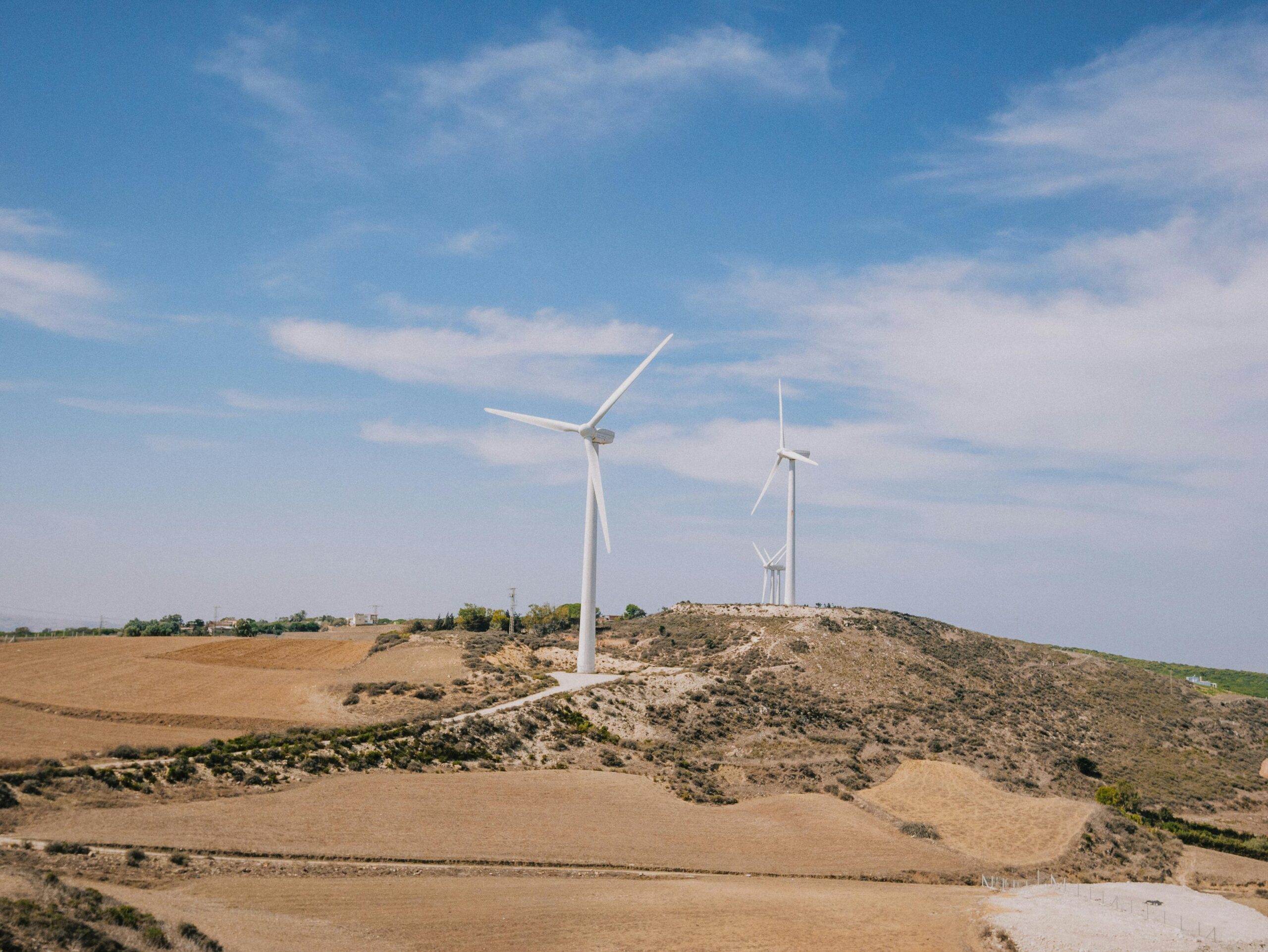
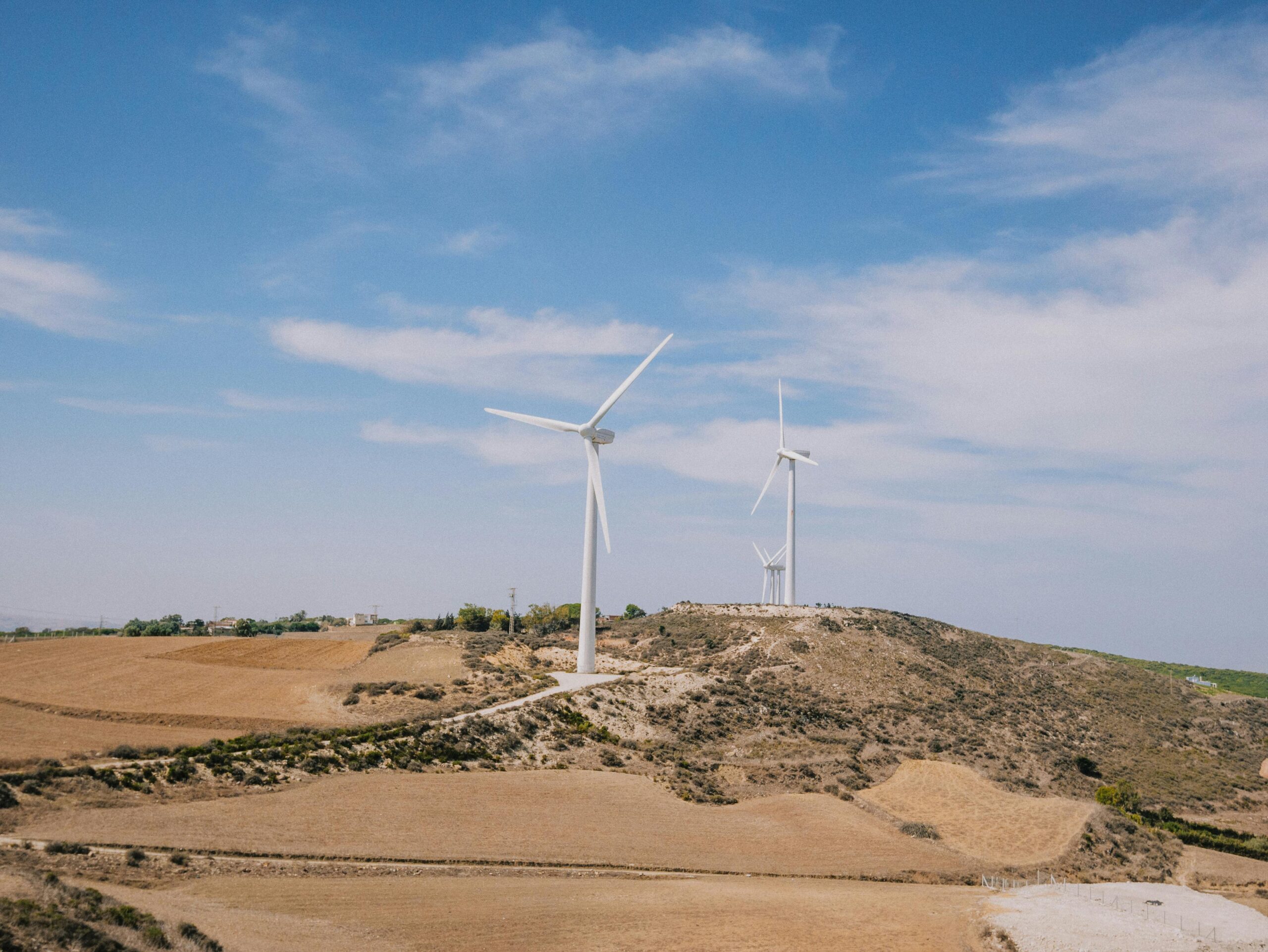
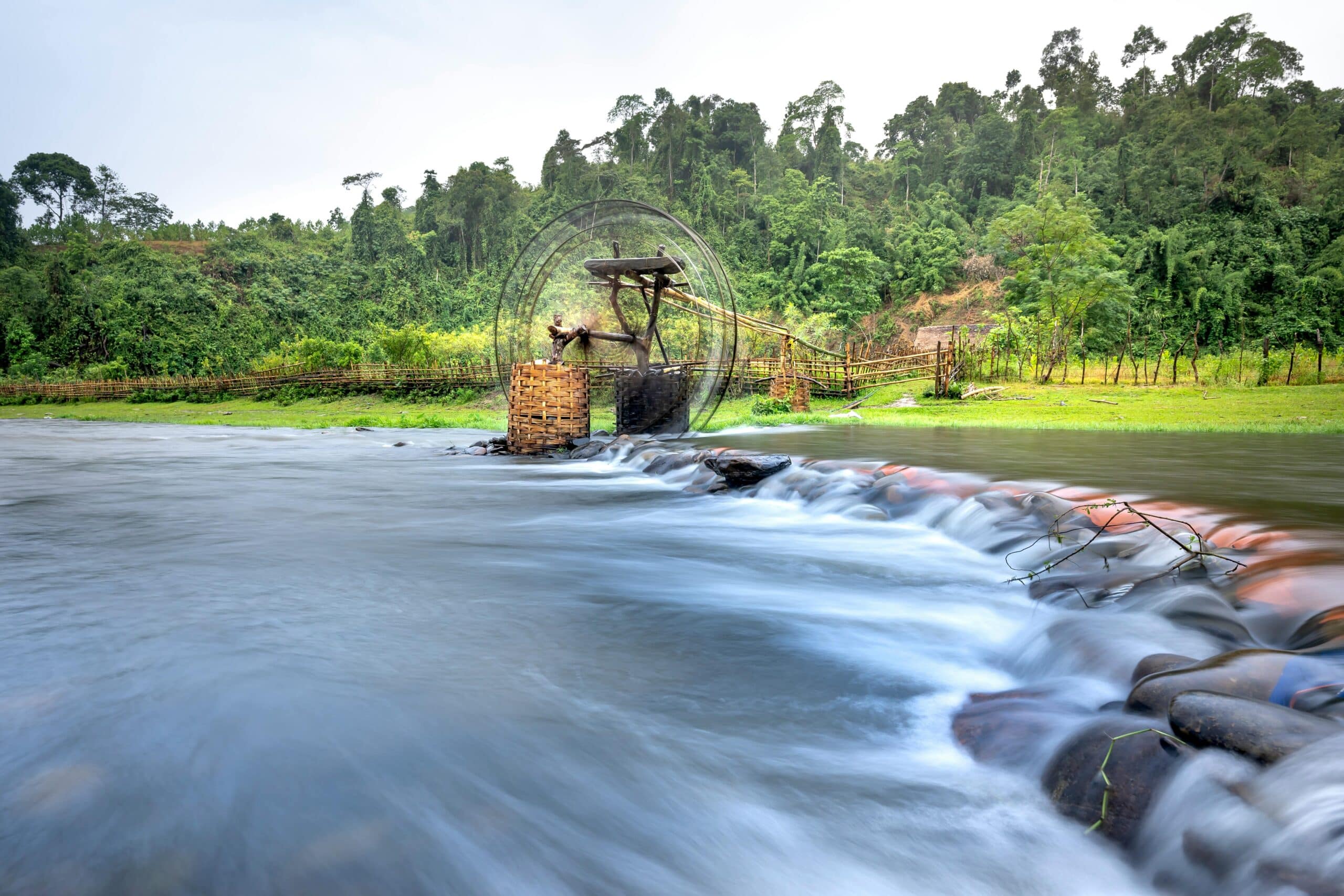
In rural Scotland, community wind projects transformed struggling villages into energy-positive settlements generating substantial revenue. The Isle of Eigg created a comprehensive renewable energy system combining wind, solar, and hydropower, achieving 95% renewable energy independence.
Excess energy is sold back to the grid, generating income that funds community services, maintains infrastructure, and provides employment. The project reversed population decline, with young families moving to the island attracted by sustainable living, community ownership, and economic opportunity.
🎓 Education and Skills Development: Building Human Capital
Educational initiatives in rural areas are closing opportunity gaps and preparing residents for modern economic participation.
The Rural BPO (Business Process Outsourcing) initiative in the Philippines brought digital jobs to remote provinces. Rather than requiring rural workers to migrate to cities, the project established call centers, data processing facilities, and IT support centers in rural communities with high unemployment.
Combined with intensive skills training programs, the initiative created thousands of well-paying jobs in areas with limited employment options. Workers earn competitive salaries while living in their home communities, reducing urban migration pressure and strengthening rural economies. The program has been so successful that private companies now actively seek rural locations for BPO operations.
Distance Learning Breaking Geographic Barriers
Australia’s School of the Air, serving students across vast outback regions, pioneered distance education decades before it became mainstream. Using radio initially, then satellite, and now internet-based platforms, the program delivers quality education to children hundreds of miles from the nearest school.
The model evolved to include virtual reality field trips, real-time video interaction with teachers, and online collaboration with fellow students. This innovation ensured rural children receive education quality comparable to urban schools, reducing the educational achievement gap significantly.
🏥 Healthcare Access: Bridging the Rural Health Divide
Healthcare access challenges in rural areas are being addressed through innovative telemedicine, mobile clinics, and community health worker programs.
Rwanda’s community health worker program created a comprehensive rural healthcare system by training village residents in basic healthcare delivery. Each village has health workers who provide preventive care, health education, basic treatment, and referrals to facilities when needed.
Equipped with smartphones and diagnostic tools, these workers conduct regular household visits, monitor chronic conditions, ensure vaccination compliance, and detect health issues early. The program dramatically reduced maternal mortality, increased child vaccination rates, and improved management of conditions like HIV and tuberculosis.
The integration of technology allowed health workers to maintain digital health records, receive remote consultation from physicians, and report disease outbreaks in real-time, creating an efficient, responsive rural health system.
🚜 Agritourism and Rural Tourism: Diversifying Rural Economies
Tourism projects that celebrate rural culture, agriculture, and natural beauty create alternative income streams while preserving traditional ways of life.
The Albergo Diffuso (scattered hotel) concept in rural Italy transformed declining villages into unique tourism destinations. Instead of building new hotels, these projects renovate abandoned houses throughout villages, creating accommodation distributed across the community while preserving architectural heritage.
Tourists experience authentic rural life, eat locally produced food, participate in traditional activities, and interact with residents. This approach generates income distributed throughout the community, creates employment for various skills, and incentivizes young people to stay rather than migrate to cities.
Villages that embraced this model reversed population decline, revitalized local crafts and food production, and created sustainable tourism that respects community character and environmental limits.
Farm-to-Table Experiences Creating Value
In Vermont, USA, agritourism initiatives transformed struggling dairy farms into diversified agricultural enterprises. Farms now offer tours, farm-to-table dining experiences, agricultural workshops, and seasonal events that connect urban visitors with food production.
This diversification strategy increased farm incomes by 35-60% while building direct relationships between producers and consumers. Farmers command premium prices for their products while educating the public about agriculture, sustainability, and rural life.
💡 Social Innovation and Community Empowerment
The most successful rural projects prioritize community ownership and participatory decision-making, ensuring sustainability beyond external funding.
The Transition Towns movement, starting in rural Ireland and spreading globally, empowers communities to address climate change, economic uncertainty, and resource depletion through local action. Communities develop local food systems, renewable energy projects, local currencies, and skill-sharing networks that build resilience and self-sufficiency.
These initiatives demonstrate that rural communities possess the knowledge, creativity, and determination to solve their challenges when provided with appropriate support and autonomy. The movement’s success lies in its bottom-up approach where solutions emerge from community members rather than external experts.
🌍 Collaborative Platforms Connecting Rural Entrepreneurs
Digital platforms are enabling rural entrepreneurs to access markets, knowledge, and resources previously unavailable to them.
The Rural Rising initiative in Appalachia created a comprehensive support ecosystem for rural entrepreneurs. Through online networking, mentorship programs, access to micro-financing, and shared marketing platforms, isolated rural businesses gained the support systems that urban entrepreneurs take for granted.
Participating businesses reported increased revenues, improved business practices, and enhanced confidence. The platform created a vibrant rural entrepreneurship community where members collaborate, share resources, and advocate collectively for rural business interests.
🔄 The Circular Economy in Rural Contexts
Rural communities are natural settings for circular economy principles, where waste becomes resources and systems mimic natural cycles.
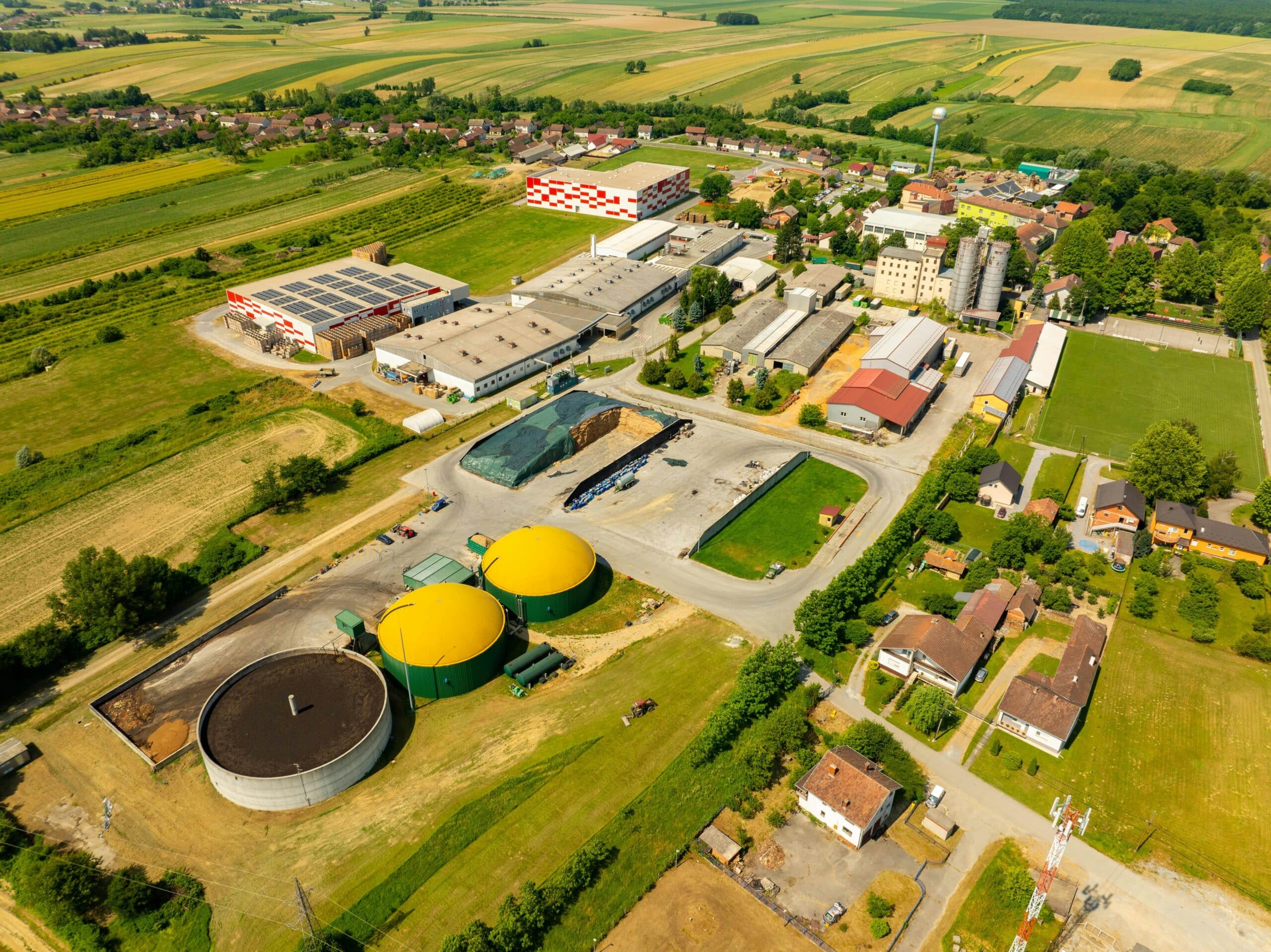
In rural Denmark, biogas projects transform agricultural waste into energy and fertilizer. Farmers bring animal manure and crop residues to cooperative biogas plants that produce methane for heating and electricity, with remaining material returned as high-quality organic fertilizer.
This closed-loop system reduces greenhouse gas emissions, creates renewable energy, improves soil health, and generates additional farm income. The cooperative ownership model ensures benefits distribute equitably throughout the farming community.
🎯 Keys to Replicating Rural Success Stories
Analysis of successful rural projects reveals common success factors applicable across different contexts and geographies.
First, genuine community engagement from project inception ensures initiatives address actual needs rather than assumed problems. Second, appropriate technology—solutions matching community technical capacity and infrastructure—ensures sustainable adoption. Third, building on existing strengths rather than importing alien models increases acceptance and success probability.
Fourth, creating multiple benefits—economic, social, and environmental—builds broader support and resilience. Fifth, patient capital and realistic timelines acknowledge that deep community transformation requires years, not months. Finally, knowledge sharing and peer learning accelerate adaptation and improvement.
🚀 The Future Landscape of Rural Innovation
Rural communities worldwide are proving that geography doesn’t determine destiny. Through innovative projects combining technology, community empowerment, sustainable practices, and economic creativity, rural areas are becoming centers of innovation rather than backwaters left behind.
These case studies demonstrate that successful rural development requires recognizing rural communities as partners and innovators rather than beneficiaries. When provided with appropriate resources, infrastructure, and autonomy, rural communities create solutions that often surpass urban innovations in sustainability, inclusivity, and community impact.
The transformation of rural communities contributes to balanced regional development, environmental sustainability, cultural preservation, and economic resilience. As more success stories emerge and best practices disseminate, the rural renaissance gains momentum, offering hope and practical pathways for communities worldwide seeking to chart their own development trajectories.
The inspiring projects highlighted here represent just a fraction of rural innovation happening globally. Each successful initiative creates ripple effects, inspiring neighboring communities and providing replicable models. As digital connectivity expands, knowledge sharing accelerates, and appreciation for rural potential grows, the future of rural communities looks increasingly bright—not as museum pieces of the past, but as laboratories for sustainable, community-centered development that urban areas increasingly seek to emulate.

Toni Santos is a visual storyteller and archival artisan whose creative journey is steeped in the bold colors, dramatic typography, and mythic imagery of old circus posters. Through his artistic lens, Toni breathes new life into these once-lurid canvases of wonder, transforming them into tributes to a golden era of spectacle, showmanship, and cultural fantasy.
Fascinated by the visual language of vintage circuses — from roaring lions to gravity-defying acrobats, from hand-painted banners to gothic typefaces — Toni explores how these posters once captured the imagination of entire towns with nothing more than ink, illusion, and a promise of awe. Each composition he creates or studies is a dialogue with history, nostalgia, and the raw aesthetics of entertainment on the move.
With a background in handcrafted design and visual heritage, Toni blends artistic sensitivity with historical insight. His work traces the forgotten typographies, chromatic choices, and symbolic flair that defined circus marketing in the 19th and early 20th centuries — a time when posters were not just advertisements, but portable portals to dreamworlds.
As the creative force behind Vizovex, Toni curates collections, illustrations, and thoughtful narratives that reconnect modern audiences with the magic of old circus art — not just as ephemera, but as cultural memory etched in paper and pigment.
His work is a tribute to:
The flamboyant storytelling of early circus posters
The lost art of hand-lettered show promotion
The timeless charm of visual fantasy in public space
Whether you’re a vintage print enthusiast, a circus history lover, or a designer inspired by antique aesthetics, Toni invites you into a world where tigers leap through fire, strongmen pose in perfect symmetry, and every corner of the poster whispers: Step right up.