The transition to renewable energy is no longer a distant dream but an urgent necessity. As our planet faces unprecedented environmental challenges, embracing clean energy solutions has become the cornerstone of sustainable development.
🌍 The Undeniable Climate Crisis and Energy’s Central Role
Global temperatures continue to rise at alarming rates, with the past decade recording some of the hottest years in human history. The energy sector accounts for approximately 73% of global greenhouse gas emissions, making it both the primary contributor to climate change and the most critical area for intervention. Fossil fuels—coal, oil, and natural gas—have powered industrial development for over a century, but their environmental cost has become unsustainable.
The extraction, processing, and combustion of fossil fuels release massive quantities of carbon dioxide, methane, and other harmful pollutants into the atmosphere. These emissions create a thermal blanket around Earth, trapping heat and disrupting climate patterns worldwide. The consequences manifest as extreme weather events, rising sea levels, ecosystem destruction, and threats to human health and food security.
Renewable energy sources offer a fundamentally different approach. Unlike fossil fuels, they harness naturally replenishing resources—sunlight, wind, water, and geothermal heat—without depleting finite reserves or generating greenhouse gas emissions during operation. This shift represents not merely an incremental improvement but a transformative reimagining of how humanity powers civilization.
💨 Wind Energy: Harnessing Nature’s Invisible Power
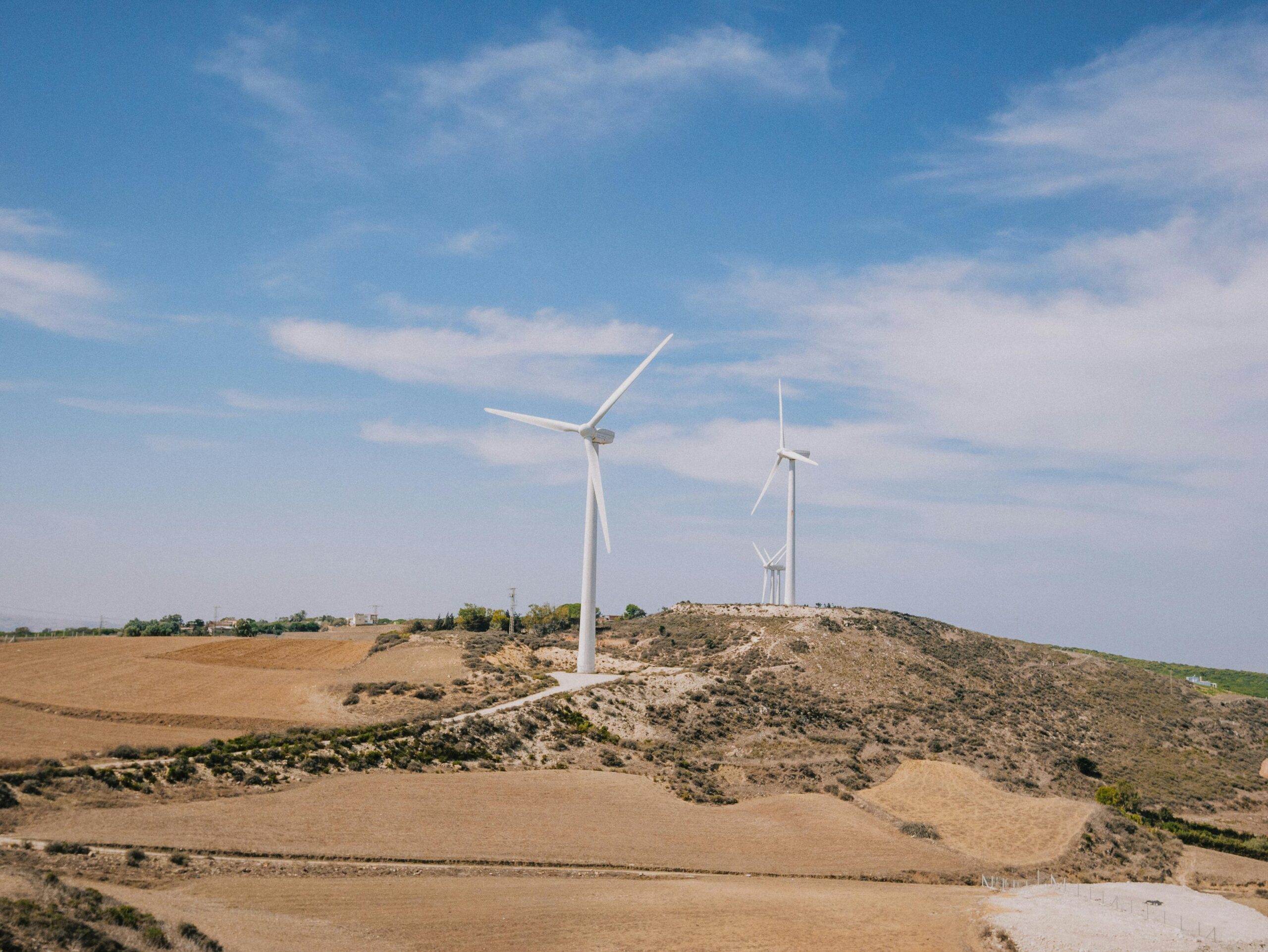
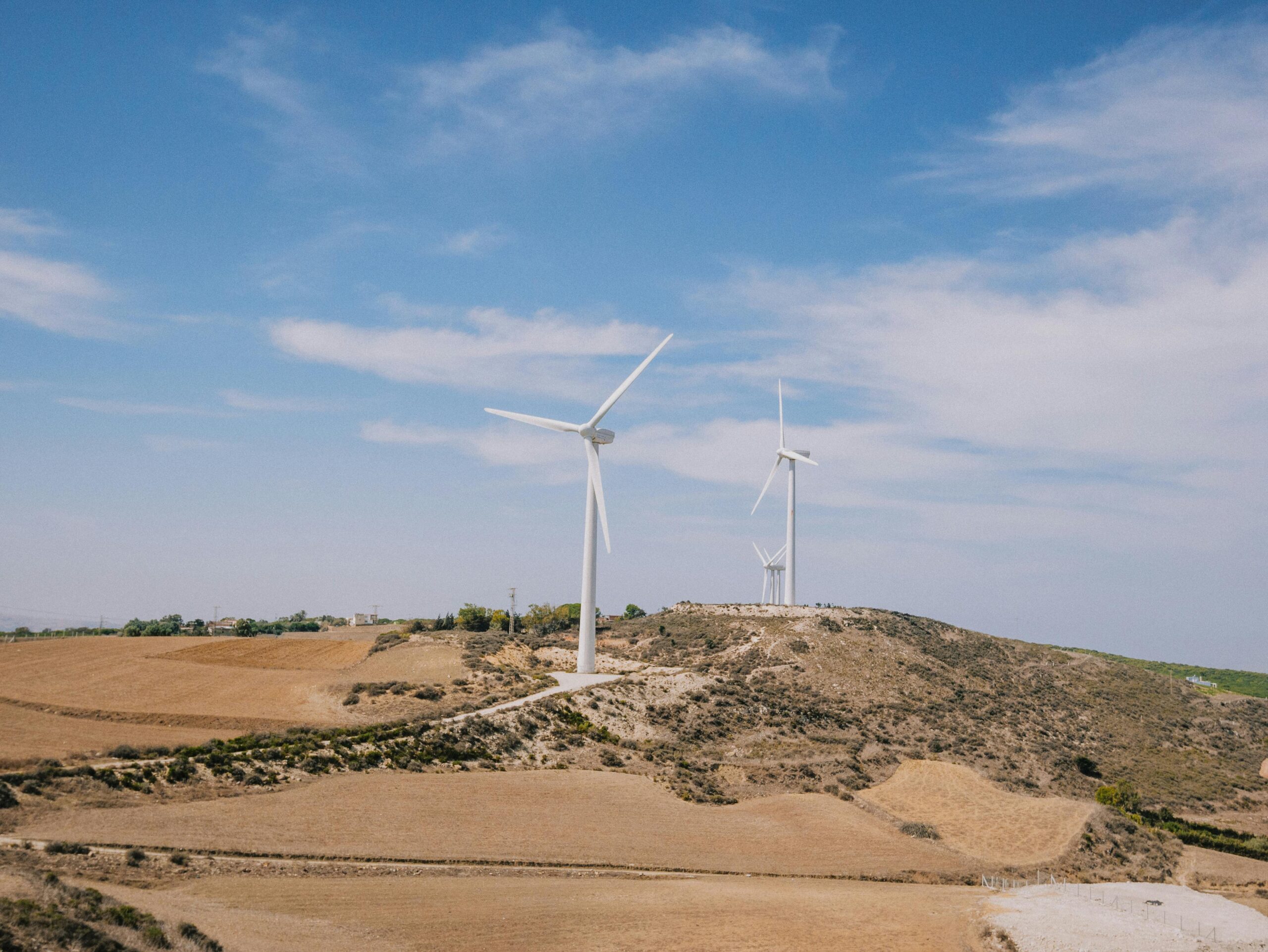
Wind turbines have become iconic symbols of the renewable energy revolution. These towering structures convert kinetic energy from moving air into electricity through sophisticated engineering. Modern wind farms, both onshore and offshore, generate substantial power with minimal environmental footprint compared to conventional energy sources.
The environmental benefits of wind energy extend beyond carbon reduction. Wind installations require no water for cooling, unlike thermal power plants that consume billions of gallons annually. This conservation is particularly valuable in water-stressed regions where every drop counts. Additionally, wind farms can coexist with agricultural activities, allowing farmers to maintain crops or livestock beneath turbines while earning supplementary income from land leases.
Offshore wind farms present especially promising opportunities. Ocean winds tend to be stronger and more consistent than terrestrial breezes, enabling higher capacity factors and energy output. While installation costs are greater, technological advances continue to improve efficiency and reduce expenses. Countries like Denmark, the United Kingdom, and China have invested heavily in offshore wind infrastructure, demonstrating its viability at scale.
Addressing Wind Energy Challenges
Critics often raise concerns about wildlife impacts, particularly bird and bat mortality. Research confirms these effects exist, but context matters significantly. Studies indicate that wind turbines cause far fewer bird deaths than domestic cats, building collisions, or habitat loss from fossil fuel extraction. Moreover, industry innovations like radar detection systems and strategic turbine placement have substantially reduced wildlife casualties.
Noise pollution and visual impacts also generate debate in some communities. Modern turbine designs have become considerably quieter, and proper siting guidelines ensure installations maintain appropriate distances from residential areas. The aesthetic question remains subjective—some view turbines as eyesores while others see them as symbols of environmental progress.
☀️ Solar Power: Capturing the Ultimate Energy Source
Every hour, the sun delivers more energy to Earth than humanity consumes in an entire year. Solar photovoltaic technology captures this abundant resource, converting sunlight directly into electricity through semiconductor materials. The solar industry has experienced exponential growth, with costs plummeting more than 90% over the past decade, making it the cheapest electricity source in many markets.
The environmental advantages of solar energy are compelling. Solar panels produce zero emissions during operation and require no fuel inputs after installation. Unlike fossil fuel power plants, they generate no air pollution, water pollution, or toxic waste. Their modular nature allows deployment at virtually any scale, from small residential rooftop systems to utility-scale solar farms covering hundreds of acres.
Solar installations also demonstrate remarkable versatility. Floating solar arrays on reservoirs reduce water evaporation while generating clean electricity. Building-integrated photovoltaics transform windows, facades, and roofing materials into power generators. Community solar programs enable renters and those with unsuitable roofs to benefit from solar energy, democratizing access to clean power.
Manufacturing and Lifecycle Considerations
Solar panel production requires energy and materials, raising questions about net environmental benefits. Comprehensive lifecycle analyses confirm that photovoltaic systems generate far more clean energy over their operational lifespan than the energy consumed during manufacturing. Most panels achieve energy payback within one to four years while functioning effectively for 25-30 years or longer.
Recycling infrastructure for retired solar panels continues developing. Silicon-based panels contain valuable materials—glass, aluminum, copper, and silicon—that can be recovered and reused. Emerging recycling technologies promise to recover over 95% of panel materials, creating circular economy systems that minimize waste and resource extraction.
💧 Hydroelectric Power: The Renewable Energy Workhorse
Hydropower remains the largest source of renewable electricity globally, providing reliable baseload power and energy storage capabilities. By harnessing the gravitational force of flowing or falling water, hydroelectric facilities generate electricity without burning fuel or producing direct emissions. Many hydroelectric dams also provide flood control, irrigation water, and recreational opportunities.
Modern run-of-river hydroelectric systems minimize environmental disruption by maintaining natural water flows without large reservoirs. These facilities extract energy from river currents while allowing fish passage and preserving downstream ecosystems. Pumped-storage hydropower serves as a giant battery, moving water between reservoirs at different elevations to store excess renewable energy and release it during peak demand periods.
However, large dam projects can create significant environmental challenges. Reservoir creation may flood forests and wetlands, displacing wildlife and releasing methane from decomposing organic matter. Dams alter downstream water flows, temperatures, and sediment transport, affecting aquatic ecosystems and fish migrations. Balancing hydropower’s benefits with ecological preservation requires careful planning, environmental assessments, and mitigation strategies.
🌋 Geothermal Energy: Tapping Earth’s Internal Heat
Beneath our feet lies an enormous energy reservoir—Earth’s internal heat. Geothermal power plants access this heat through wells drilled into underground reservoirs, using steam or hot water to drive turbines. This technology provides consistent, weather-independent power with an exceptionally small land footprint relative to energy output.
Geothermal facilities produce minimal emissions compared to fossil fuel plants, and advanced closed-loop systems reinject fluids underground, maintaining reservoir pressure and preventing surface pollution. Beyond electricity generation, geothermal energy provides direct heating for buildings, industrial processes, and greenhouse agriculture, particularly in volcanic regions with accessible geothermal resources.
Enhanced geothermal systems represent an exciting frontier, using hydraulic stimulation to access heat in areas without natural reservoirs. This technology could expand geothermal energy far beyond traditional hotspots, potentially providing clean baseload power across broader geographic areas. Research continues addressing technical challenges and ensuring these systems operate safely without triggering seismic activity.
⚡ Grid Integration and Energy Storage Solutions
Transitioning to renewable energy requires more than building generation capacity—it demands transforming electrical grids designed for centralized fossil fuel plants. Modern smart grids incorporate digital technology, enabling real-time monitoring, demand response, and efficient integration of distributed renewable sources. These intelligent networks optimize electricity flow, reduce waste, and enhance resilience against disruptions.
Energy storage technologies address renewable energy’s intermittency challenge. Battery systems, from lithium-ion to emerging solid-state designs, store excess solar and wind generation for use when production drops. Grid-scale batteries increasingly provide frequency regulation and backup power, replacing fossil fuel peaker plants that historically filled these roles.
Beyond batteries, diverse storage approaches offer complementary benefits. Compressed air energy storage uses surplus electricity to compress air in underground caverns, releasing it to generate power during demand peaks. Thermal storage systems capture heat or cold for later use, improving energy efficiency in buildings and industrial processes. Green hydrogen production converts excess renewable electricity into storable fuel for transportation, industry, and long-duration energy storage.
🌱 Environmental Co-Benefits Beyond Carbon Reduction
While climate mitigation drives renewable energy adoption, additional environmental benefits strengthen the case for transition. Air quality improvements deliver immediate health dividends, particularly in urban areas suffering from fossil fuel pollution. Coal and gas combustion release particulate matter, sulfur dioxide, nitrogen oxides, and toxic metals that cause respiratory diseases, cardiovascular problems, and premature deaths.
Renewable energy systems eliminate these emissions, creating cleaner air and healthier communities. Studies estimate that widespread renewable adoption could prevent hundreds of thousands of premature deaths annually while reducing healthcare costs by billions. Communities near former coal plants report measurable air quality improvements after transitioning to wind and solar power.
Water conservation represents another crucial benefit. Thermoelectric power plants account for approximately 40% of freshwater withdrawals in many countries, using massive quantities for cooling. Renewable energy technologies like wind and solar require virtually no water during operation, preserving this vital resource for agriculture, ecosystems, and human consumption.
Biodiversity and Land Use Considerations
Thoughtful renewable energy deployment can support biodiversity conservation. Solar farms with pollinator-friendly vegetation provide habitat for bees, butterflies, and other beneficial insects, supporting agricultural productivity in surrounding areas. Proper wind farm siting avoids critical migratory corridors and nesting areas, minimizing wildlife conflicts.
Dual-use approaches maximize land productivity. Agrivoltaics combines solar panels with crop cultivation or livestock grazing, creating synergies where shade from panels reduces water evaporation and heat stress. Offshore wind installations can incorporate artificial reef structures, enhancing marine habitats while generating clean electricity.
🔄 The Circular Economy and Sustainable Materials
The renewable energy sector increasingly embraces circular economy principles, designing for durability, repairability, and recyclability. Manufacturers develop turbines with components designed for easy replacement and refurbishment, extending operational lifespans and reducing resource consumption. Material science advances explore alternatives to rare earth elements, reducing mining impacts and supply chain vulnerabilities.
Responsible sourcing protocols ensure renewable energy equipment production minimizes environmental and social harm. Industry initiatives promote transparency in material supply chains, combat labor exploitation, and reduce ecological damage from mining operations. As renewable energy scales globally, maintaining rigorous environmental and ethical standards throughout production becomes essential.
End-of-life management strategies prevent renewable energy equipment from becoming waste problems. Wind turbine blades, historically difficult to recycle, now see innovative solutions including cement kiln co-processing and chemical recycling methods that break down composite materials. Battery recycling technologies recover valuable metals like lithium, cobalt, and nickel, reducing mining demands and closing material loops.
🚀 Technological Innovation Accelerating Environmental Benefits
Rapid technological advancement continually improves renewable energy’s environmental performance. Next-generation solar cells achieve higher conversion efficiencies using less material, while perovskite and tandem cell designs promise even greater improvements. Floating offshore wind turbines access deeper waters with stronger, more consistent winds, expanding deployment possibilities while minimizing visual impacts from shore.
Artificial intelligence and machine learning optimize renewable energy systems for maximum environmental benefit. Predictive algorithms forecast energy production and consumption patterns, enabling smarter grid management and reducing reliance on backup fossil fuel generation. AI-powered monitoring systems detect equipment issues before failures occur, minimizing downtime and maximizing clean energy output.
Digital twin technology creates virtual replicas of renewable energy installations, allowing operators to test optimization strategies without physical experimentation. These simulations identify efficiency improvements, reduce maintenance costs, and extend equipment lifespans, ultimately delivering more clean energy with fewer resources.
🌐 Global Collaboration and Environmental Justice
Climate change respects no borders, making international cooperation essential for renewable energy transition. Technology transfer initiatives help developing nations leapfrog fossil fuel infrastructure, adopting clean energy solutions that avoid repeating historical mistakes. Financial mechanisms like green climate funds support renewable energy projects in vulnerable regions, addressing both climate mitigation and adaptation needs.
Environmental justice considerations ensure renewable energy benefits reach marginalized communities disproportionately affected by fossil fuel pollution. Community-owned renewable projects provide local economic benefits while delivering clean energy access. Workforce development programs create employment opportunities in renewable industries, supporting just transitions for workers and communities dependent on fossil fuel economies.
Indigenous knowledge and land rights play crucial roles in sustainable renewable energy development. Meaningful consultation and partnership with indigenous communities ensure projects respect cultural heritage and ecological wisdom while providing equitable benefits. Solar and wind installations on tribal lands generate revenue streams while advancing clean energy goals.
💡 Individual Actions Amplifying Environmental Impact
While systemic change requires policy and industry transformation, individual choices collectively shape renewable energy adoption. Residential solar installations, community wind projects, and green energy purchasing programs allow consumers to directly support clean electricity generation. Energy efficiency improvements reduce overall demand, maximizing renewable energy’s environmental benefits.
Transportation electrification powered by renewable sources delivers substantial emission reductions. Electric vehicles charged with solar or wind electricity eliminate tailpipe emissions while reducing petroleum dependence. E-bikes and electric public transit extend clean transportation benefits across diverse mobility needs and economic circumstances.
Advocacy and political engagement accelerate renewable energy transition. Supporting policies that incentivize clean energy deployment, opposing fossil fuel subsidies, and holding elected officials accountable for climate commitments translate individual concern into systemic change. Collective action through community organizations amplifies voices demanding environmental protection and renewable energy investment.
🎯 Measuring Success and Continuing Progress
Tracking environmental improvements from renewable energy adoption requires comprehensive metrics beyond simple carbon accounting. Life cycle assessments evaluate total environmental impacts from material extraction through end-of-life disposal. Ecosystem health indicators monitor biodiversity, water quality, and habitat integrity in areas surrounding renewable installations.
Air quality measurements document pollution reductions as clean energy replaces fossil fuel combustion. Health statistics reveal decreased respiratory illness, cardiovascular disease, and premature mortality in communities benefiting from cleaner air. Water consumption data demonstrates conservation achievements as renewable sources displace thirsty thermal power plants.
Economic indicators also reflect environmental progress. Renewable energy job growth, healthcare cost savings from pollution reduction, and avoided climate damages quantify the comprehensive benefits of clean energy transition. Investment flows into renewable technologies signal market confidence in sustainable energy futures.
🌟 Embracing the Renewable Energy Revolution
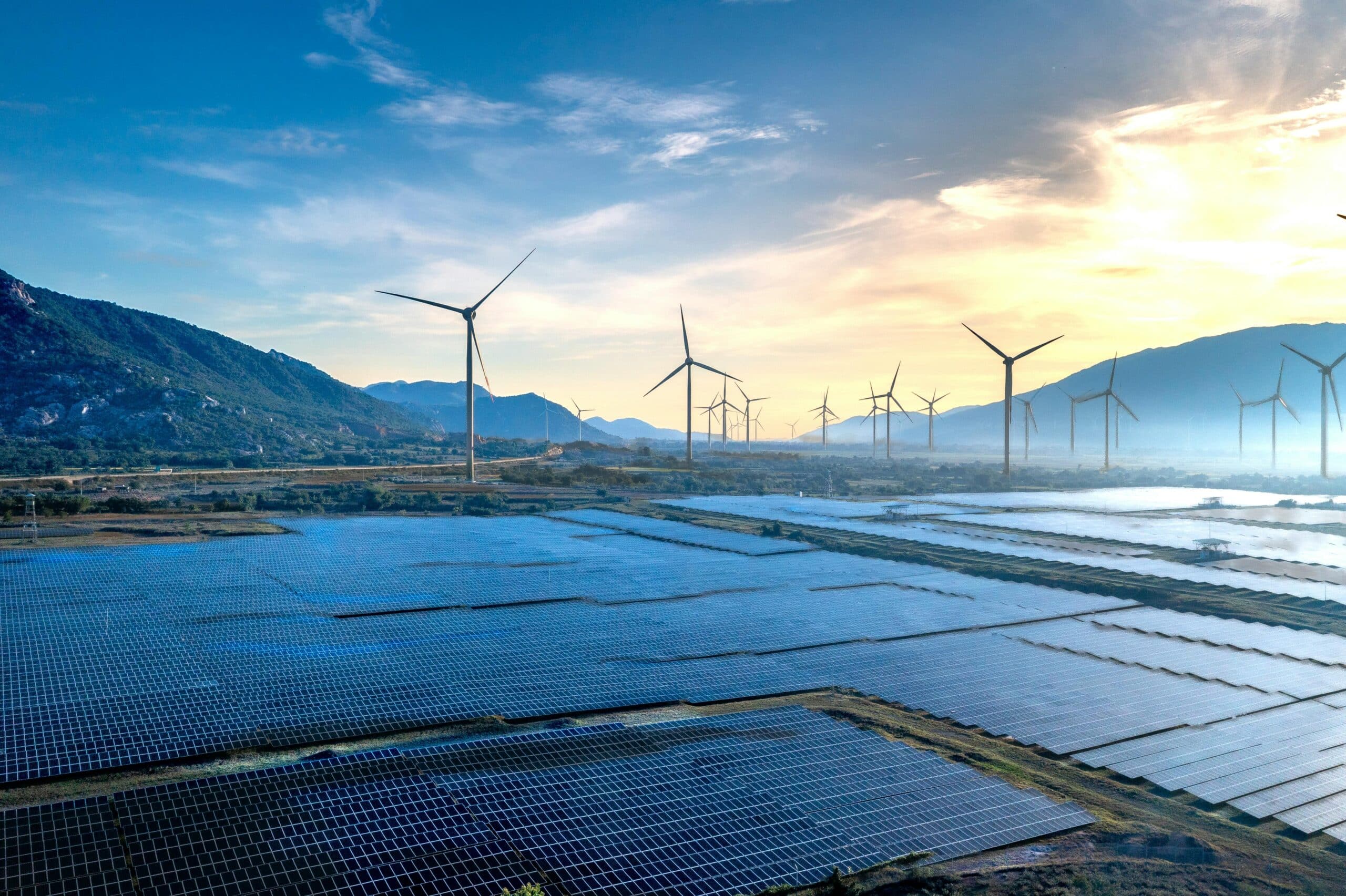
The environmental imperative for renewable energy grows more urgent daily, yet the transformation underway offers genuine hope. Solar panels and wind turbines represent more than technological innovation—they embody humanity’s capacity to recognize existential threats and implement solutions at scale. Each renewable installation contributes to cleaner air, healthier ecosystems, and climate stabilization.
Challenges remain, from grid integration complexities to material supply chain sustainability. However, continued innovation, policy support, and public commitment are rapidly overcoming obstacles. The renewable energy transition is not merely possible—it is inevitable and accelerating. The question is not whether clean energy will power our future, but how quickly we can complete the transformation to maximize environmental benefits and minimize climate damages.
Every individual, community, business, and government entity plays a role in this historic transition. By embracing renewable energy solutions—through personal adoption, advocacy, or systemic change—we collectively build a greener, healthier, more sustainable future. The environmental impacts of this choice extend far beyond carbon reduction, touching every aspect of planetary health and human wellbeing. The renewable energy revolution invites universal participation in protecting the only home humanity has ever known.

Toni Santos is a visual storyteller and archival artisan whose creative journey is steeped in the bold colors, dramatic typography, and mythic imagery of old circus posters. Through his artistic lens, Toni breathes new life into these once-lurid canvases of wonder, transforming them into tributes to a golden era of spectacle, showmanship, and cultural fantasy.
Fascinated by the visual language of vintage circuses — from roaring lions to gravity-defying acrobats, from hand-painted banners to gothic typefaces — Toni explores how these posters once captured the imagination of entire towns with nothing more than ink, illusion, and a promise of awe. Each composition he creates or studies is a dialogue with history, nostalgia, and the raw aesthetics of entertainment on the move.
With a background in handcrafted design and visual heritage, Toni blends artistic sensitivity with historical insight. His work traces the forgotten typographies, chromatic choices, and symbolic flair that defined circus marketing in the 19th and early 20th centuries — a time when posters were not just advertisements, but portable portals to dreamworlds.
As the creative force behind Vizovex, Toni curates collections, illustrations, and thoughtful narratives that reconnect modern audiences with the magic of old circus art — not just as ephemera, but as cultural memory etched in paper and pigment.
His work is a tribute to:
The flamboyant storytelling of early circus posters
The lost art of hand-lettered show promotion
The timeless charm of visual fantasy in public space
Whether you’re a vintage print enthusiast, a circus history lover, or a designer inspired by antique aesthetics, Toni invites you into a world where tigers leap through fire, strongmen pose in perfect symmetry, and every corner of the poster whispers: Step right up.