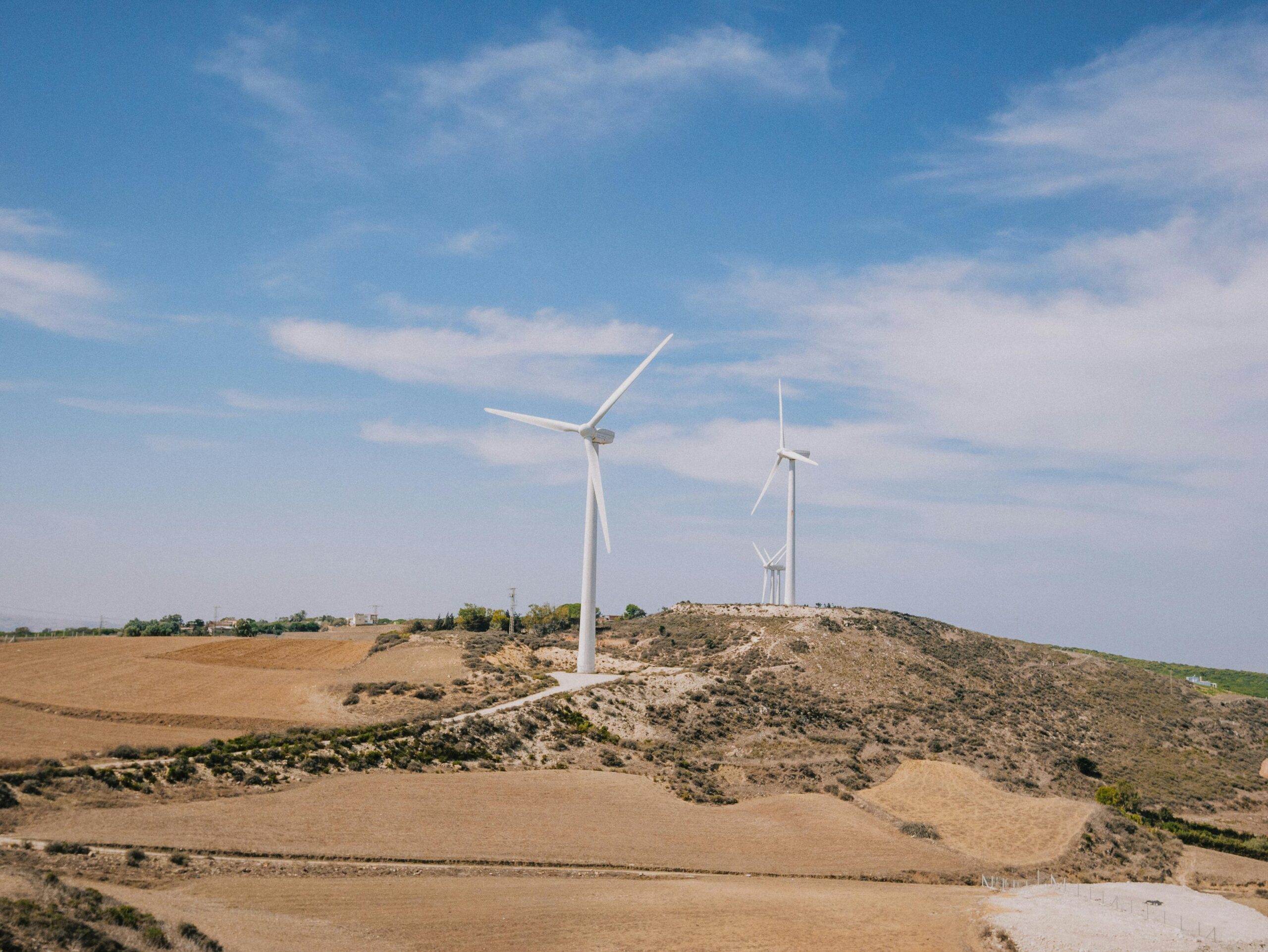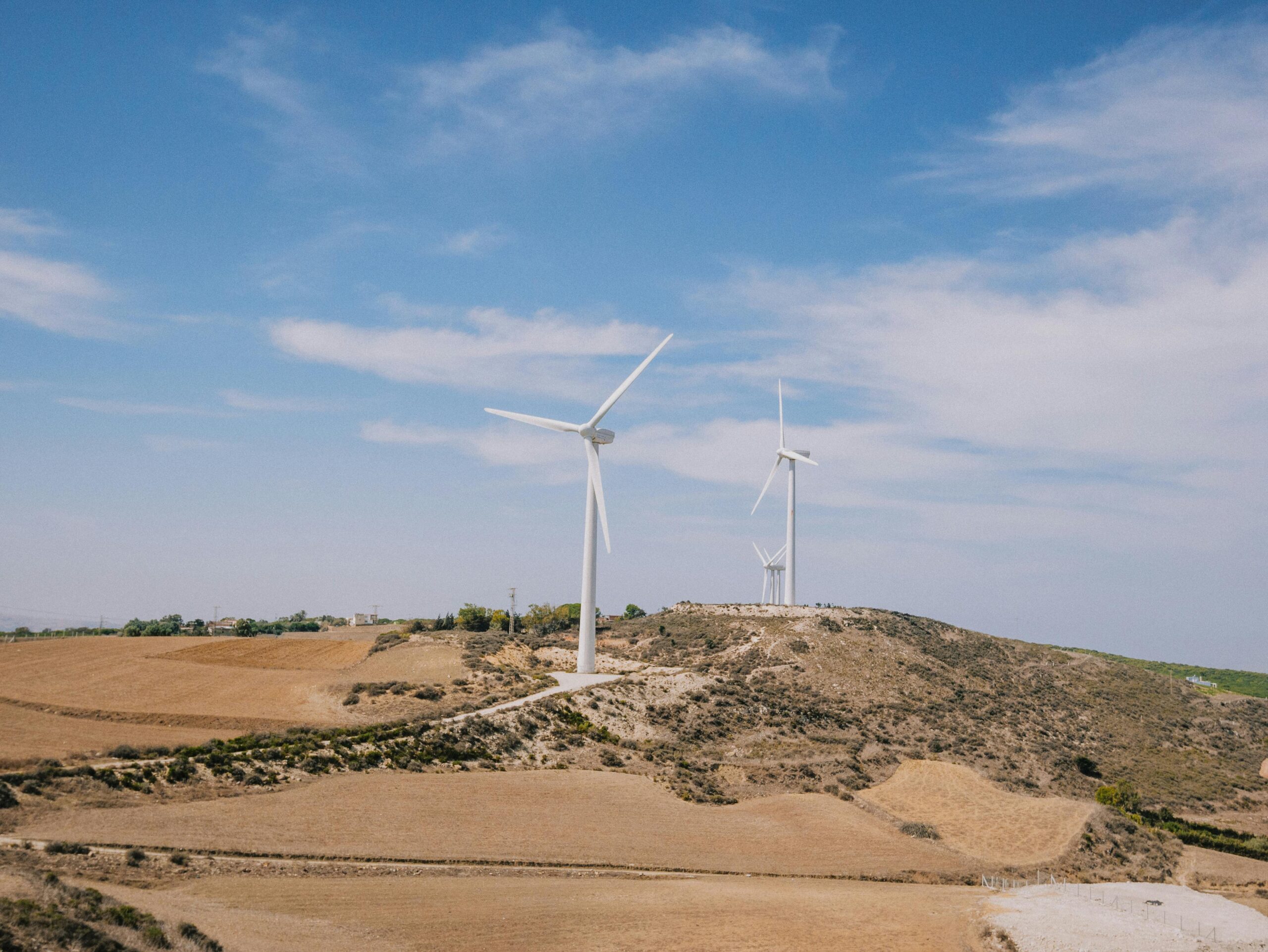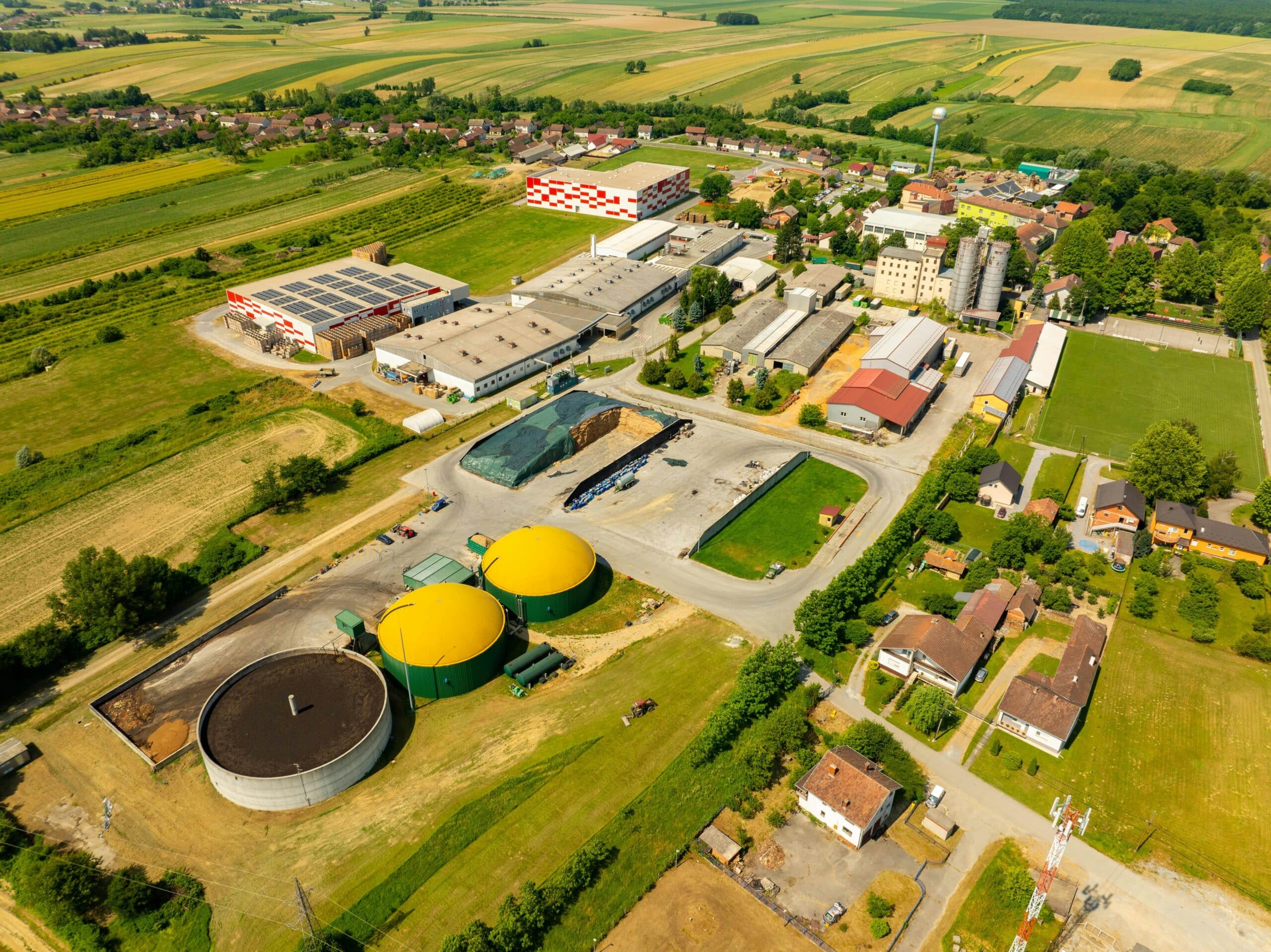
The integration of solar and wind energy represents a revolutionary approach to meeting global power demands while addressing climate change and energy security challenges.
As the world transitions away from fossil fuels, hybrid renewable energy systems have emerged as the most promising solution for creating sustainable, reliable, and efficient power infrastructure. By combining the complementary characteristics of solar photovoltaic panels and wind turbines, these innovative systems overcome the individual limitations of each technology, delivering consistent energy output regardless of weather conditions or time of day.
The synergy between solar and wind power creates a balanced energy portfolio that maximizes renewable resource utilization while minimizing grid instability. When the sun isn’t shining, wind often picks up the slack, and vice versa. This natural complementarity forms the foundation of hybrid energy systems that are transforming how communities, businesses, and nations generate electricity.
⚡ Understanding Hybrid Solar-Wind Energy Systems
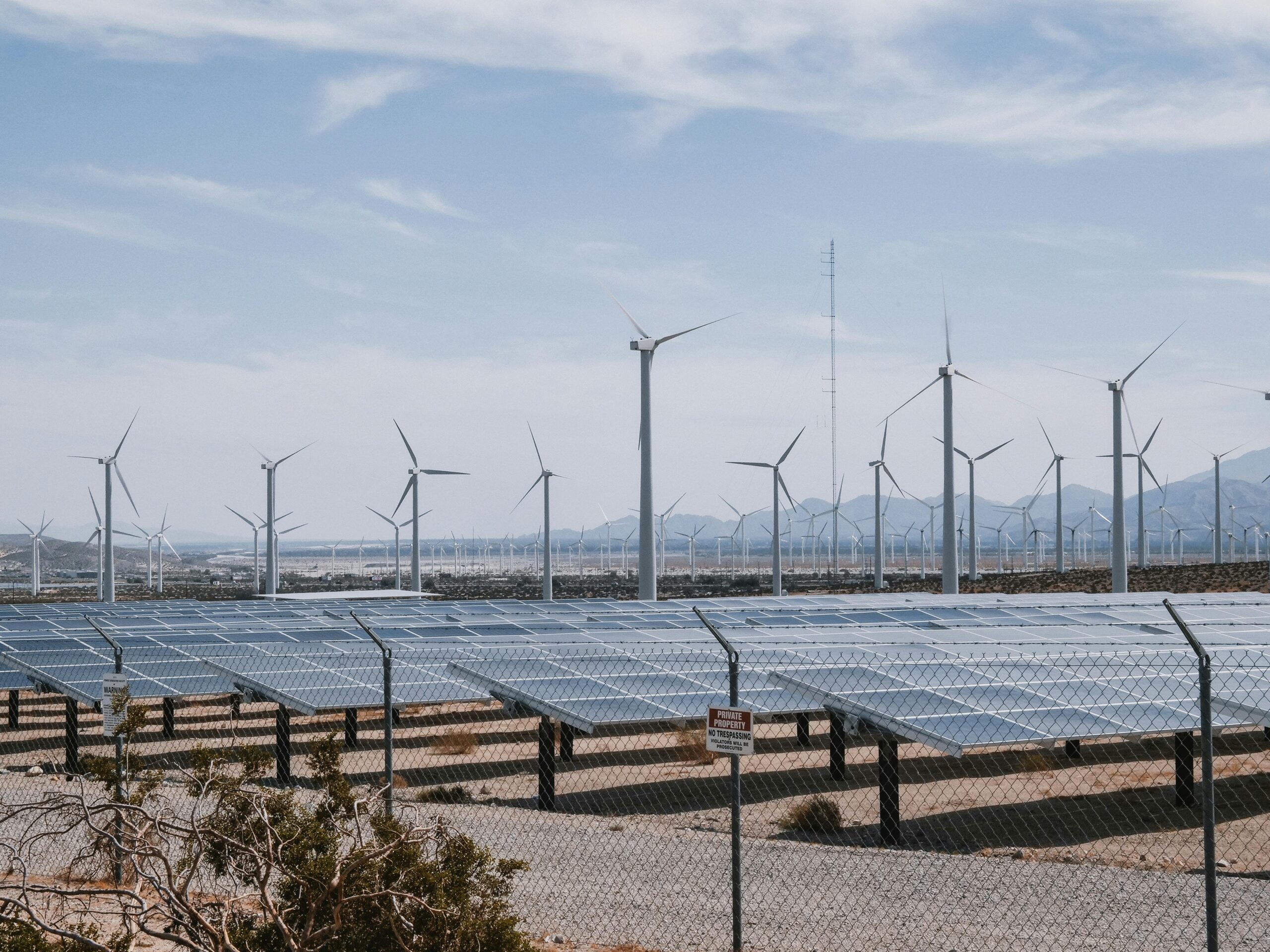
Hybrid renewable energy systems combine two or more energy sources to create a more reliable and efficient power generation solution. In solar-wind hybrids, photovoltaic panels convert sunlight into electricity during daylight hours, while wind turbines harness kinetic energy from moving air masses, often producing maximum output during evening and nighttime hours when solar generation ceases.
These integrated systems typically include battery storage solutions, inverters, charge controllers, and smart management systems that optimize energy production, storage, and distribution. The intelligent coordination of these components ensures continuous power availability and maximizes the utilization of renewable resources throughout varying seasonal and daily cycles.
The technical architecture of hybrid systems varies based on application scale, ranging from small residential installations to utility-scale power plants serving thousands of homes. Regardless of size, the fundamental principle remains consistent: diversifying renewable energy sources creates resilience and reliability that single-technology systems cannot achieve independently.
The Complementary Nature of Solar and Wind Resources 🌤️
Solar and wind energy exhibit naturally complementary generation patterns that make their combination particularly effective. Solar panels generate maximum output during midday hours when sun intensity peaks, while wind speeds typically increase during morning and evening transition periods, as well as throughout nighttime hours when temperature differentials drive air movement.
Seasonal variations also demonstrate this complementarity. Many regions experience stronger winds during winter months when solar radiation decreases, while summer brings extended daylight hours and intense sunshine but often calmer atmospheric conditions. This temporal distribution of resources ensures more consistent annual energy production compared to single-source systems.
Geographic factors further enhance this synergy. Coastal areas benefit from sea breezes that intensify during afternoon hours as land heats up, perfectly overlapping with peak solar generation periods. Mountain regions experience predictable wind patterns driven by topography, while valleys below receive consistent solar exposure throughout the day.
🔋 Energy Storage: The Critical Component
Battery storage systems serve as the vital bridge between variable renewable generation and consistent energy demand. Advanced lithium-ion, flow batteries, and emerging solid-state technologies store excess electricity produced during high-generation periods for use when production drops or demand spikes.
Modern hybrid systems employ sophisticated energy management algorithms that determine optimal charging and discharging cycles based on generation forecasts, demand predictions, electricity pricing, and battery health parameters. These intelligent systems extend battery lifespan while maximizing economic returns and grid stability.
The declining costs of battery storage have dramatically improved the economic viability of hybrid renewable systems. Over the past decade, lithium-ion battery prices have fallen by approximately 90%, making it financially practical to include substantial storage capacity that ensures multi-day energy autonomy even during periods of low renewable resource availability.
Smart Grid Integration and Management Systems
Hybrid energy systems rely on advanced control technologies that monitor real-time conditions, predict energy production and consumption patterns, and automatically adjust system operations to optimize performance. These smart management platforms integrate weather forecasting data, historical generation patterns, load profiles, and market signals to make split-second decisions about energy routing.
Machine learning algorithms continuously improve system efficiency by identifying optimization opportunities that human operators might overlook. These systems learn from operational data to refine generation forecasts, predict maintenance needs before failures occur, and adapt to changing environmental conditions with minimal human intervention.
Grid-connected hybrid systems can participate in demand response programs, selling excess electricity back to utilities during peak demand periods when prices are highest, then drawing from the grid or battery storage during low-price periods. This bidirectional energy flow creates additional revenue streams while supporting overall grid stability.
🌍 Environmental and Sustainability Benefits
The environmental advantages of hybrid solar-wind systems extend far beyond their zero-emission operation. By displacing fossil fuel generation, these systems prevent millions of tons of carbon dioxide, sulfur dioxide, nitrogen oxides, and particulate matter from entering the atmosphere annually.
Unlike conventional power plants that require continuous water for cooling, hybrid renewable systems consume virtually no water during operation, preserving this precious resource for agriculture, ecosystems, and human consumption. This characteristic makes them particularly valuable in water-stressed regions where traditional power generation competes with other critical water needs.
The land-use efficiency of hybrid systems surpasses single-technology installations. Solar panels and wind turbines can share the same property, with panels installed between turbine towers or turbines positioned to avoid shading solar arrays. Agricultural activities can continue beneath elevated solar panels or between wind turbines, creating productive multi-use landscapes.
Lifecycle Sustainability Considerations ♻️
Modern hybrid energy systems are designed with end-of-life recyclability in mind. Solar panels contain valuable materials including silicon, silver, copper, and aluminum that can be recovered and reused. Wind turbine components, particularly the steel towers and copper generators, maintain high scrap value and recycling rates exceeding 85%.
Manufacturers are developing circular economy approaches that design products for disassembly and material recovery from the outset. These initiatives address concerns about renewable energy waste while creating new industries focused on component refurbishment and material reclamation.
The energy payback period for hybrid systems—the time required for the system to generate the amount of energy consumed during manufacturing, installation, and decommissioning—typically ranges from one to three years, compared to operational lifespans of 25-30 years. This favorable ratio ensures overwhelmingly positive net energy production throughout the system lifecycle.
💰 Economic Advantages and Financial Viability
The economics of hybrid renewable energy systems have reached a tipping point where they compete favorably with conventional power generation even without subsidies in many markets. The levelized cost of energy (LCOE) from optimized solar-wind hybrid systems now undercuts coal and natural gas in regions with favorable renewable resources.
Capital costs continue declining as manufacturing scales increase and technology matures. Solar panel prices have dropped over 90% since 2010, while wind turbine costs have fallen approximately 70% during the same period. Combined with improving battery economics, these trends make hybrid systems increasingly accessible to diverse users.
Operational expenses for hybrid renewable systems remain minimal compared to fuel-dependent generation. Once installed, sunlight and wind are free, eliminating fuel costs and the associated price volatility that plagues fossil fuel-based electricity. Maintenance requirements are relatively modest, with predictable schedules and costs that simplify long-term financial planning.
Return on Investment Scenarios
Residential hybrid systems typically achieve payback periods of 5-10 years depending on local electricity prices, available incentives, and resource quality. After recovering initial costs, system owners enjoy essentially free electricity for the remaining 15-25 years of system life, representing substantial long-term savings.
Commercial and industrial applications often experience faster returns due to higher electricity consumption rates, demand charge savings, and participation in renewable energy certificate markets. Many businesses achieve payback in 3-7 years while simultaneously meeting corporate sustainability commitments and insulating operations from energy price fluctuations.
Utility-scale hybrid projects benefit from economies of scale and access to wholesale electricity markets, often achieving competitive returns within 5-8 years. These large installations also qualify for tax equity financing structures that optimize returns for different investor classes while accelerating deployment timelines.
🏗️ Implementation Across Different Scales
Hybrid solar-wind systems adapt remarkably well to applications ranging from individual homes to entire regional grids. Each scale presents unique opportunities and challenges that influence system design, component selection, and optimization strategies.
Residential implementations typically involve rooftop or ground-mounted solar arrays paired with small vertical-axis wind turbines that operate safely in built environments. Battery systems sized for one to three days of autonomy provide backup power during extended low-generation periods, while grid connection offers additional security and potential revenue from excess generation.
Community-scale projects serve multiple households or small commercial districts through shared infrastructure that reduces per-unit costs while maintaining local energy independence. These microgrid configurations demonstrate particular value in remote or island communities where traditional grid extension costs are prohibitive.
Industrial and Agricultural Applications 🏭
Manufacturing facilities and agricultural operations represent ideal candidates for hybrid renewable systems due to substantial energy demands, available land for installations, and strong financial incentives to reduce operating costs. Food processing plants, mining operations, and manufacturing complexes increasingly deploy megawatt-scale hybrid systems that significantly offset or completely eliminate grid dependence.
Agricultural settings offer unique advantages for hybrid deployment, with wind turbines positioned to avoid interference with farming activities while solar arrays can be mounted on barn roofs, integrated into irrigation systems, or deployed as agrivoltaic installations that combine crop production with electricity generation.
Remote industrial sites including telecommunications towers, research stations, and resource extraction operations rely on hybrid systems to eliminate expensive fuel deliveries and generator maintenance while ensuring reliable power for critical operations in locations beyond grid reach.
🔬 Technological Innovations Driving Progress
Ongoing research and development continuously improve hybrid system performance, reliability, and affordability. Perovskite solar cells promise higher conversion efficiencies and lower manufacturing costs compared to traditional silicon panels, potentially revolutionizing the solar component of hybrid systems within the next decade.
Wind turbine innovations include larger rotor diameters, taller towers accessing stronger and more consistent winds, and advanced blade designs that capture energy from lower wind speeds. Floating offshore wind platforms unlock vast oceanic resources previously inaccessible, opening new frontiers for hybrid development in coastal regions.
Artificial intelligence and advanced forecasting systems increasingly optimize hybrid operations by predicting generation patterns days in advance with remarkable accuracy. These capabilities enable proactive system adjustments that maximize efficiency, extend component lifespans, and improve grid integration performance.
Next-Generation Storage Solutions 🔋
Beyond lithium-ion technology, emerging storage solutions promise improved performance characteristics for hybrid systems. Flow batteries offer unlimited cycle life and independent scaling of power and energy capacity. Compressed air energy storage provides large-scale, long-duration options particularly suited to utility applications. Hydrogen production via electrolysis converts excess renewable generation into storable chemical energy for seasonal storage or alternative fuel applications.
Solid-state batteries currently in development promise higher energy density, improved safety characteristics, and longer operational lifespans compared to liquid electrolyte technologies. Widespread commercialization of these advanced batteries could dramatically reduce storage costs while improving system reliability and safety profiles.
Thermal storage systems that capture excess electricity as heat for later conversion back to power or direct use in heating applications demonstrate particular promise for industrial settings where process heat represents significant energy demand alongside electrical loads.
🌐 Global Deployment and Success Stories
Countries worldwide are implementing hybrid solar-wind projects at unprecedented scales, demonstrating the versatility and effectiveness of this approach across diverse climates, geographies, and development contexts. Denmark generates over 80% of its electricity from wind power supplemented by solar, achieving one of the world’s most decarbonized power sectors while maintaining exceptional reliability.
India has committed to massive hybrid renewable deployment as part of its climate commitments, with government policies specifically encouraging co-located solar-wind projects that maximize land use efficiency and grid stability. Several states have implemented dedicated hybrid energy policies with streamlined permitting and dedicated transmission infrastructure.
Remote island communities from Hawaii to the Canary Islands increasingly rely on hybrid systems to displace expensive diesel generation that previously dominated their electricity supply. These projects demonstrate both economic and environmental advantages while providing valuable proof-of-concept for larger-scale implementations.
⚡ Overcoming Challenges and Barriers
Despite impressive progress, hybrid renewable systems face obstacles that slow deployment and limit adoption. Regulatory frameworks often lag technological development, creating uncertainty for developers and investors. Permitting processes designed for conventional power plants may not accommodate the unique characteristics of renewable installations, adding time and expense to project development.
Grid infrastructure in many regions requires substantial upgrades to accommodate variable renewable generation and bidirectional power flows. Transmission capacity constraints can limit renewable deployment even when generation resources and economic fundamentals are favorable. Addressing these infrastructure gaps requires coordinated planning and substantial investment.
Public acceptance challenges occasionally emerge related to visual impacts, noise concerns, or wildlife considerations. Thoughtful siting decisions, community engagement, and transparent communication about benefits and impacts help overcome resistance while ensuring projects align with local values and priorities.
🚀 The Path Forward: Building a Hybrid Energy Future
The trajectory for hybrid solar-wind systems points unmistakably toward widespread adoption as technological improvements, cost reductions, and climate imperatives converge. Policy support from governments worldwide increasingly recognizes the critical role these systems play in achieving emissions reduction targets while ensuring energy security and economic competitiveness.
The next decade will likely see hybrid systems become the default approach for new renewable energy development rather than exceptional projects. Integration with electric vehicle charging infrastructure, building energy management systems, and smart city initiatives will create synergistic networks that optimize energy use across entire communities.
As climate change intensifies and fossil fuel externalities become increasingly apparent, the economic, environmental, and social cases for hybrid renewable energy systems will only strengthen. The combination of solar and wind power, enhanced by intelligent storage and management systems, represents not just a viable alternative to conventional energy, but the superior choice for powering humanity’s sustainable future.

Toni Santos is a visual storyteller and archival artisan whose creative journey is steeped in the bold colors, dramatic typography, and mythic imagery of old circus posters. Through his artistic lens, Toni breathes new life into these once-lurid canvases of wonder, transforming them into tributes to a golden era of spectacle, showmanship, and cultural fantasy.
Fascinated by the visual language of vintage circuses — from roaring lions to gravity-defying acrobats, from hand-painted banners to gothic typefaces — Toni explores how these posters once captured the imagination of entire towns with nothing more than ink, illusion, and a promise of awe. Each composition he creates or studies is a dialogue with history, nostalgia, and the raw aesthetics of entertainment on the move.
With a background in handcrafted design and visual heritage, Toni blends artistic sensitivity with historical insight. His work traces the forgotten typographies, chromatic choices, and symbolic flair that defined circus marketing in the 19th and early 20th centuries — a time when posters were not just advertisements, but portable portals to dreamworlds.
As the creative force behind Vizovex, Toni curates collections, illustrations, and thoughtful narratives that reconnect modern audiences with the magic of old circus art — not just as ephemera, but as cultural memory etched in paper and pigment.
His work is a tribute to:
The flamboyant storytelling of early circus posters
The lost art of hand-lettered show promotion
The timeless charm of visual fantasy in public space
Whether you’re a vintage print enthusiast, a circus history lover, or a designer inspired by antique aesthetics, Toni invites you into a world where tigers leap through fire, strongmen pose in perfect symmetry, and every corner of the poster whispers: Step right up.