The global shift toward renewable energy is accelerating, driven by ambitious climate goals and unprecedented government incentives that are reshaping our energy landscape forever.
As nations worldwide commit to reducing carbon emissions and combating climate change, government programs are playing a pivotal role in making clean energy accessible and affordable for businesses, homeowners, and communities. These incentives represent more than just financial support—they’re catalysts for innovation, job creation, and environmental stewardship that will define our sustainable future.
Understanding the landscape of available incentives can mean the difference between merely dreaming about clean energy adoption and actually implementing transformative solutions. From tax credits to rebates, grants to low-interest loans, governments are deploying diverse strategies to accelerate the clean energy revolution.
💰 The Financial Foundation: Understanding Government Clean Energy Incentives
Government incentives for clean energy come in various forms, each designed to address different barriers to adoption. These programs acknowledge that while renewable energy technologies have become increasingly cost-competitive, upfront costs can still present significant obstacles for many consumers and businesses.
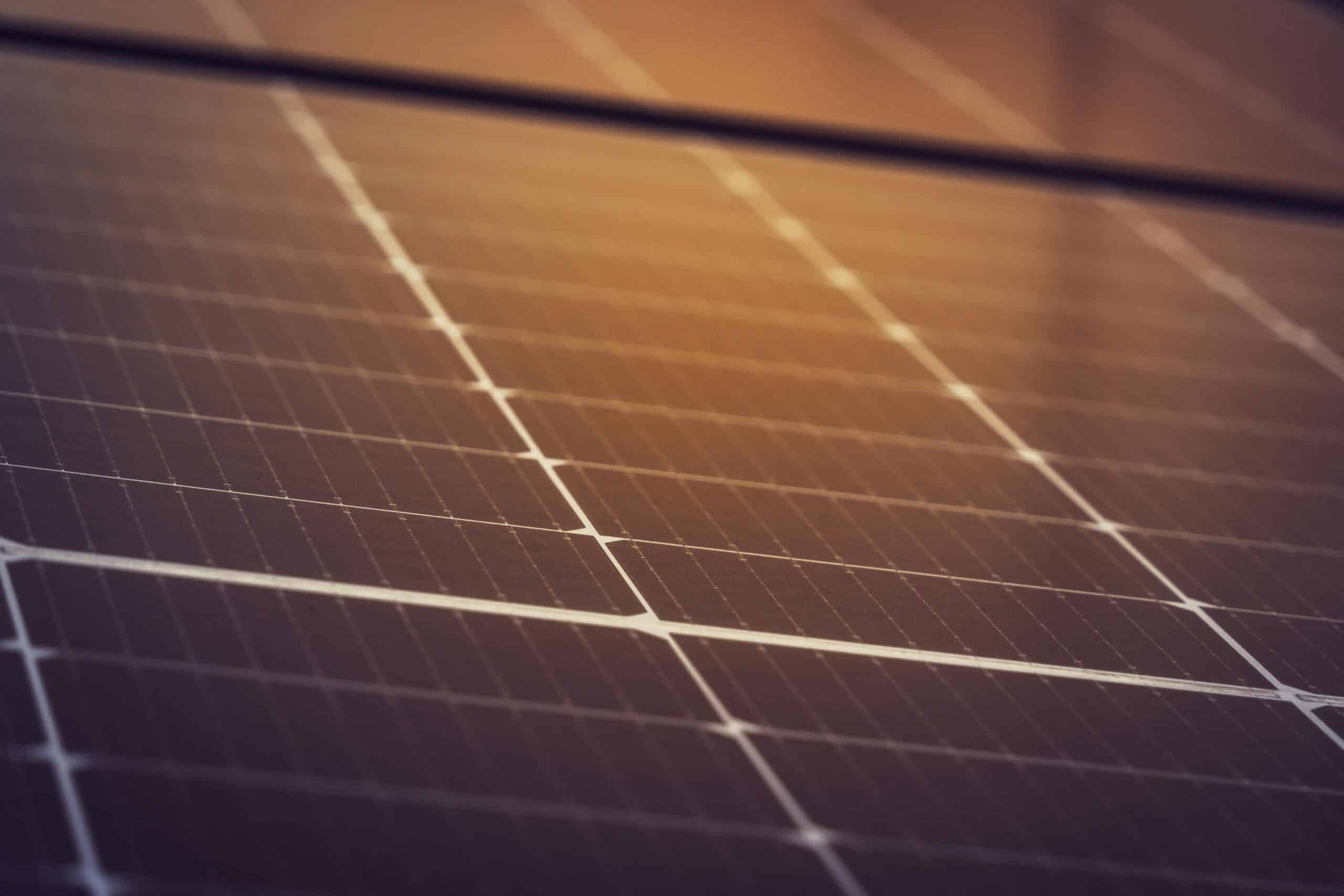
Federal tax credits remain among the most powerful incentives available. In the United States, the Investment Tax Credit (ITC) and Production Tax Credit (PTC) have been instrumental in driving solar and wind energy deployment. The ITC allows homeowners and businesses to deduct a significant percentage of solar installation costs from their federal taxes, making solar power substantially more affordable.
The Inflation Reduction Act of 2022 extended and expanded these credits, creating a more predictable investment environment that encourages long-term planning and commitment to renewable energy projects. This landmark legislation represents one of the most significant climate investments in American history, allocating hundreds of billions toward clean energy initiatives.
Beyond federal programs, state and local governments have developed their own incentive structures, creating a complex but opportunity-rich landscape for clean energy adopters. These programs often complement federal incentives, multiplying the financial benefits available to those transitioning to sustainable energy sources.
🏠 Residential Revolution: Home Energy Incentives That Make a Difference
For homeowners, government incentives have transformed clean energy from an aspirational luxury into an achievable reality. Solar panel installations, energy-efficient appliances, heat pumps, and home battery storage systems now qualify for various rebates and tax credits that significantly reduce net costs.
The Residential Clean Energy Credit allows homeowners to claim 30% of the cost of installing solar panels, solar water heaters, wind turbines, geothermal heat pumps, and battery storage systems. This substantial credit applies to both existing homes and new construction, with no annual or lifetime cap on the credit amount.
State-level programs add another layer of savings. Many states offer additional rebates for solar installations, energy audits, insulation upgrades, and HVAC system replacements. Some utilities provide performance-based incentives that reward homeowners for the actual energy their systems produce over time.
Net metering policies in many jurisdictions allow residential solar owners to receive credits for excess electricity they send back to the grid, effectively turning their electric meters backward and reducing monthly utility bills. This creates an ongoing financial benefit that compounds the value of initial installation incentives.
Smart Home Energy Management 📱
Modern technology has made tracking and maximizing energy savings easier than ever. Smart home energy management systems help homeowners monitor consumption patterns, optimize solar production, and take full advantage of time-of-use rate structures that offer lower electricity prices during off-peak hours.
These systems often integrate with utility programs that provide additional incentives for demand response participation, where homeowners receive payments for reducing energy consumption during peak periods when the grid is stressed.
🏭 Commercial and Industrial Opportunities: Scaling Clean Energy for Business
Businesses face both greater energy challenges and larger opportunities when it comes to clean energy adoption. Government incentives for commercial and industrial entities are designed to support projects at scale, from rooftop solar arrays to massive wind farms and everything in between.
The Modified Accelerated Cost Recovery System (MACRS) allows businesses to recover investments in solar energy property through depreciation deductions. When combined with the ITC, businesses can recoup a substantial portion of their clean energy investments within the first few years of operation.
Many governments offer grant programs specifically targeting businesses, particularly small and medium enterprises that might lack the capital reserves for large upfront investments. These grants often prioritize projects in underserved communities, creating economic development opportunities alongside environmental benefits.
Green bonds and clean energy financing programs provide access to low-interest capital for qualifying projects. These specialized financial instruments reduce the cost of borrowing, improving project economics and shortening payback periods.
Workforce Development and Training Incentives
Recognizing that the clean energy transition requires skilled workers, many government programs include provisions for workforce development. Businesses that commit to training programs, apprenticeships, or hiring from disadvantaged communities may qualify for bonus credits and enhanced incentives.
These provisions serve dual purposes: ensuring quality installations and maintenance while creating pathways to middle-class careers in the growing renewable energy sector. The clean energy industry already employs millions globally, with projections suggesting continued robust growth for decades to come.
🌍 Community-Scale Solutions: Shared Clean Energy Programs
Not everyone can install solar panels on their roof due to shading, structural limitations, rental situations, or homeowners association restrictions. Community solar programs address this equity issue by allowing multiple participants to benefit from a shared solar installation.
Government incentives for community solar projects have expanded access to clean energy benefits across socioeconomic boundaries. Subscribers to these programs receive credits on their utility bills proportional to their share of the system’s production, enjoying solar savings without rooftop installations.
Low-income solar programs specifically target households that would benefit most from energy cost reductions but face the greatest barriers to adoption. These initiatives often combine grants, enhanced rebates, and financing mechanisms to eliminate upfront costs entirely.
Municipal and cooperative utility districts increasingly leverage government incentives to develop community-scale renewable projects that serve entire neighborhoods or regions. These projects benefit from economies of scale while distributing clean energy benefits broadly across participating communities.
⚡ Electric Vehicle Integration: Transportation Meets Clean Energy
The convergence of clean energy and electric transportation creates synergistic opportunities amplified by government incentives. Electric vehicle (EV) tax credits, charging infrastructure grants, and renewable energy incentives work together to support a comprehensive clean transportation ecosystem.
Federal EV tax credits of up to $7,500 for new vehicles and $4,000 for used vehicles make electric transportation more accessible. These credits apply at the point of sale in many cases, reducing the purchase price immediately rather than requiring buyers to wait for tax filing season.
Charging infrastructure incentives support both residential and commercial installation of EV charging stations. Businesses can claim tax credits for equipment costs, while grant programs help communities develop public charging networks that reduce range anxiety and support EV adoption.
Vehicle-to-grid (V2G) technology pilots, supported by government research funding, are exploring how EVs can serve as distributed energy storage resources. This innovative approach could allow EV owners to earn additional income by providing grid services during peak demand periods.
🔋 Energy Storage: The Missing Link in Renewable Energy
Energy storage systems have emerged as critical components of the clean energy transition, addressing intermittency challenges inherent in solar and wind power. Government incentives increasingly recognize this importance by extending benefits to standalone battery storage systems.
The standalone storage investment tax credit makes battery systems economically viable even without accompanying solar installations. This enables utilities, businesses, and homeowners to store cheap off-peak electricity or grid excess for use during expensive peak periods.
State-level storage mandates and incentive programs complement federal credits. California, New York, Massachusetts, and other leading states have established ambitious storage deployment targets backed by financial incentives and streamlined permitting processes.
Grid-scale storage projects benefit from additional incentive structures, including capacity payments, frequency regulation markets, and wholesale energy arbitrage opportunities. These revenue streams, combined with installation incentives, are making large battery systems increasingly attractive investments.
🌱 Beyond Electricity: Incentives for Comprehensive Decarbonization
While solar and wind dominate clean energy discussions, government incentives increasingly address other aspects of decarbonization. Geothermal heat pumps, renewable natural gas, green hydrogen, and carbon capture technologies all qualify for various support programs.
Geothermal heat pump systems, which use stable underground temperatures for highly efficient heating and cooling, qualify for residential and commercial tax credits. These systems typically reduce heating and cooling costs by 30-60% compared to conventional systems while eliminating combustion-based heating.
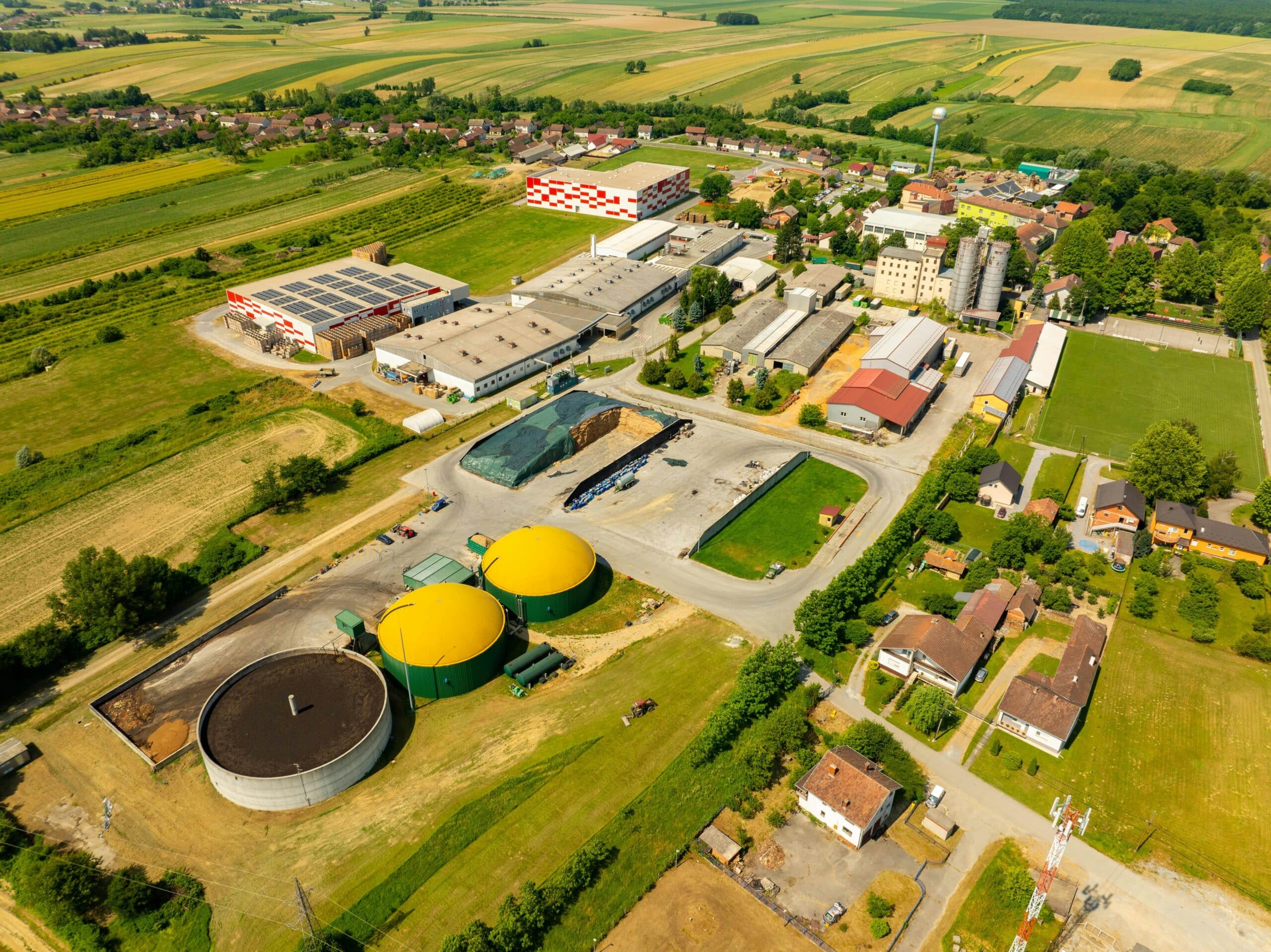
Agricultural operations can access incentives for biogas systems that convert waste into renewable energy. These programs address multiple environmental challenges simultaneously by reducing methane emissions, creating renewable fuel, and improving waste management practices.
Green hydrogen production, viewed as essential for decarbonizing heavy industry and long-haul transportation, benefits from production tax credits designed to make clean hydrogen cost-competitive with fossil fuel alternatives. This nascent industry could transform sectors currently difficult to electrify.
📊 Navigating the Incentive Landscape: Maximizing Available Benefits
The diversity of available incentives creates both opportunities and complexity. Successfully navigating this landscape requires understanding eligibility requirements, application processes, timing considerations, and how different programs can be stacked or combined.
Database resources like the Database of State Incentives for Renewables & Efficiency (DSIRE) provide comprehensive, searchable information about federal, state, local, and utility incentives. These tools help consumers and businesses identify all applicable programs for their specific circumstances and locations.
Professional energy consultants and qualified installers can provide valuable guidance through the incentive maze. Many installers handle incentive applications as part of their service, ensuring customers receive all available benefits while reducing administrative burdens.
Timing considerations matter significantly. Some incentives operate on a first-come, first-served basis with limited annual funding, while others phase down over time. Understanding these dynamics helps prioritize projects and optimize financial outcomes.
Common Incentive Combinations
- Federal tax credits paired with state rebates for maximum upfront cost reduction
- Utility performance incentives combined with net metering for ongoing savings
- Low-interest financing programs leveraged alongside grant funding
- Depreciation benefits stacked with investment tax credits for businesses
- Community solar subscriptions combined with low-income assistance programs
🚀 Future-Proofing Through Policy: What’s Coming Next
The clean energy incentive landscape continues evolving as governments refine programs based on implementation experience and emerging technologies. Understanding likely future directions helps stakeholders make strategic long-term decisions.
Direct pay provisions for tax-exempt entities like nonprofits, schools, and governments represent significant policy innovations. These provisions allow organizations without tax liability to receive the full value of tax credits as direct payments, dramatically expanding access to clean energy incentives.
Domestic content bonuses reward projects using American-made components, supporting manufacturing jobs while advancing clean energy deployment. These provisions reflect growing attention to the economic development dimensions of the energy transition.
Energy communities provisions provide enhanced incentives for projects in areas with fossil fuel employment history, supporting just transition principles that ensure energy workers and communities aren’t left behind as the economy decarbonizes.
International climate commitments and agreements increasingly drive national incentive programs. As countries compete to lead the clean energy economy, expect continued innovation in policy design and incentive structures aimed at accelerating deployment and manufacturing.
🎯 Taking Action: Your Path to Clean Energy Incentives
Understanding available incentives is only valuable when translated into action. Whether you’re a homeowner, business owner, or community leader, specific steps can help you capture these opportunities and contribute to the clean energy revolution.
Start with an energy audit to understand your current consumption patterns and identify the most impactful efficiency and generation opportunities. Many utilities offer free or subsidized audits, and some jurisdictions provide incentives specifically for conducting comprehensive energy assessments.
Research all applicable incentives for your identified opportunities using databases, utility websites, and state energy offices. Create a spreadsheet documenting requirements, deadlines, and benefit amounts to develop a comprehensive financial picture.
Obtain multiple quotes from qualified installers who understand incentive programs and can help navigate applications. Verify licensing, certifications, and experience with similar projects to ensure quality installations that maximize performance and incentive eligibility.
Consider financing options that align with incentive structures. Some programs require specific payment methods or ownership arrangements, so coordinating financing with incentive eligibility is essential for optimizing economics.
The clean energy revolution powered by government incentives represents one of the defining opportunities of our generation. These programs make sustainable choices economically compelling while addressing the existential challenge of climate change. By understanding and accessing available incentives, individuals and organizations can simultaneously improve their financial positions and contribute to building a sustainable tomorrow. The future is being powered by clean energy, and government incentives ensure that this future is accessible to everyone ready to participate in this transformative journey.

Toni Santos is a visual storyteller and archival artisan whose creative journey is steeped in the bold colors, dramatic typography, and mythic imagery of old circus posters. Through his artistic lens, Toni breathes new life into these once-lurid canvases of wonder, transforming them into tributes to a golden era of spectacle, showmanship, and cultural fantasy.
Fascinated by the visual language of vintage circuses — from roaring lions to gravity-defying acrobats, from hand-painted banners to gothic typefaces — Toni explores how these posters once captured the imagination of entire towns with nothing more than ink, illusion, and a promise of awe. Each composition he creates or studies is a dialogue with history, nostalgia, and the raw aesthetics of entertainment on the move.
With a background in handcrafted design and visual heritage, Toni blends artistic sensitivity with historical insight. His work traces the forgotten typographies, chromatic choices, and symbolic flair that defined circus marketing in the 19th and early 20th centuries — a time when posters were not just advertisements, but portable portals to dreamworlds.
As the creative force behind Vizovex, Toni curates collections, illustrations, and thoughtful narratives that reconnect modern audiences with the magic of old circus art — not just as ephemera, but as cultural memory etched in paper and pigment.
His work is a tribute to:
The flamboyant storytelling of early circus posters
The lost art of hand-lettered show promotion
The timeless charm of visual fantasy in public space
Whether you’re a vintage print enthusiast, a circus history lover, or a designer inspired by antique aesthetics, Toni invites you into a world where tigers leap through fire, strongmen pose in perfect symmetry, and every corner of the poster whispers: Step right up.